Scintillavir
Michael MacWolff
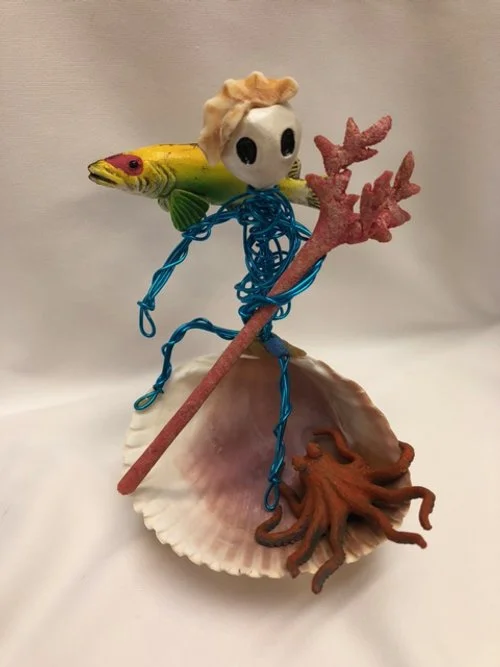
Cryptologic Name: Mikromageia scintillavir
Planar Origin: Materia
Habitat: Various
Diet: Manavorous
Appearance & Morphology
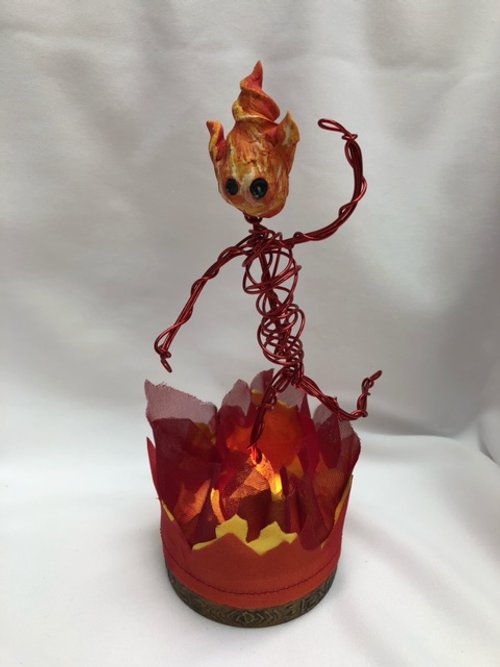
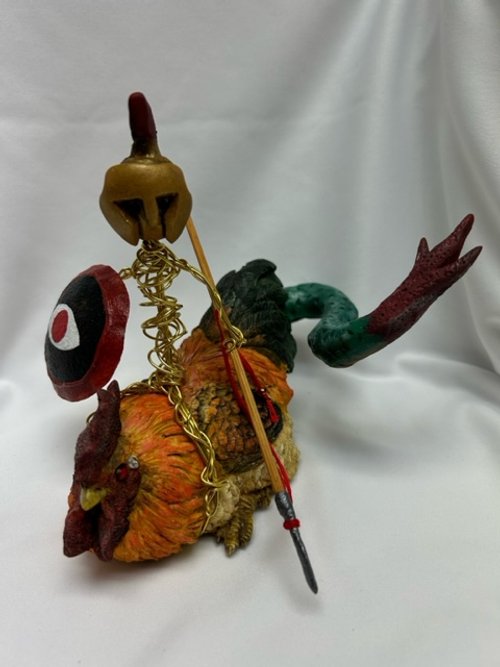
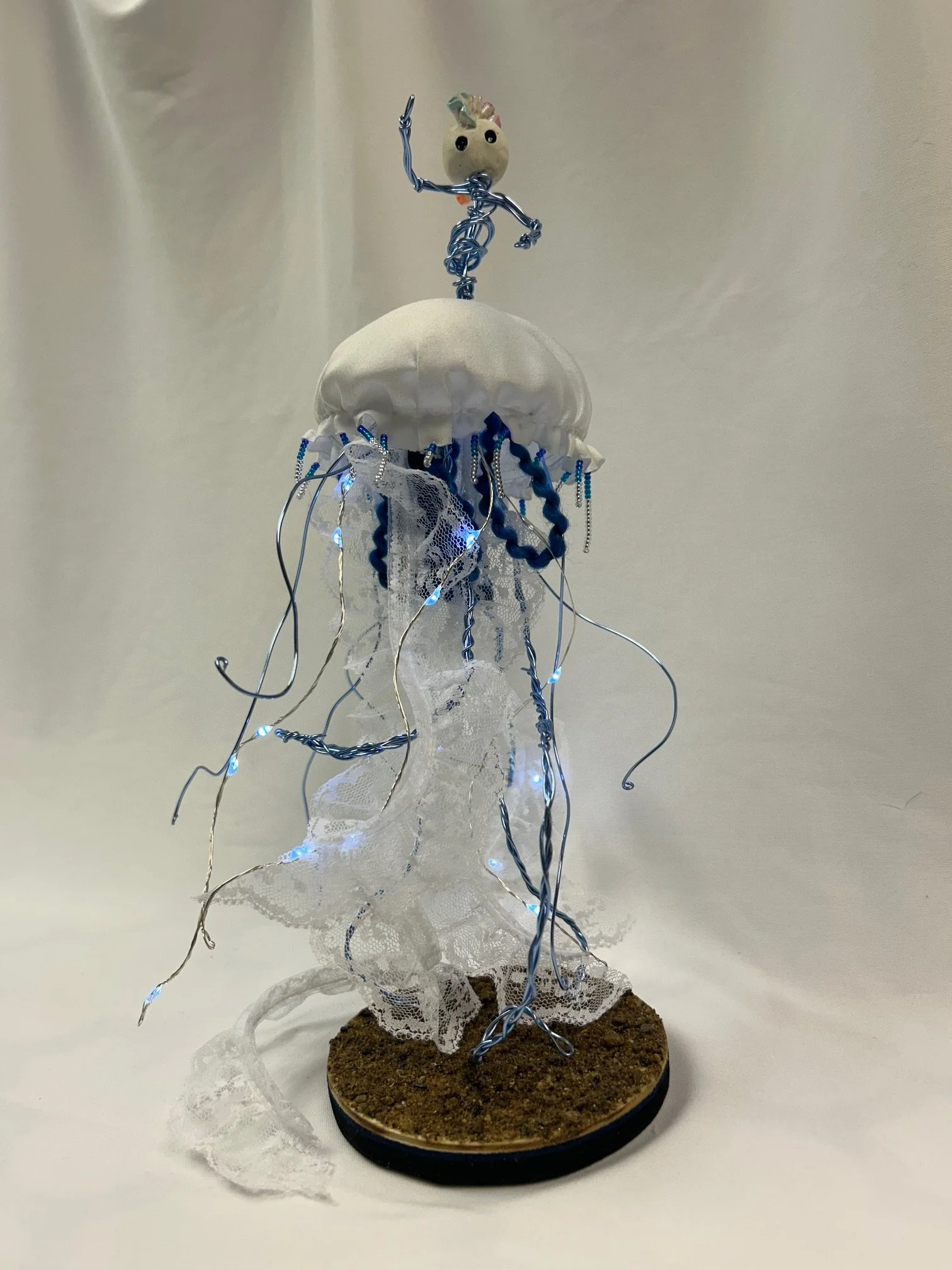
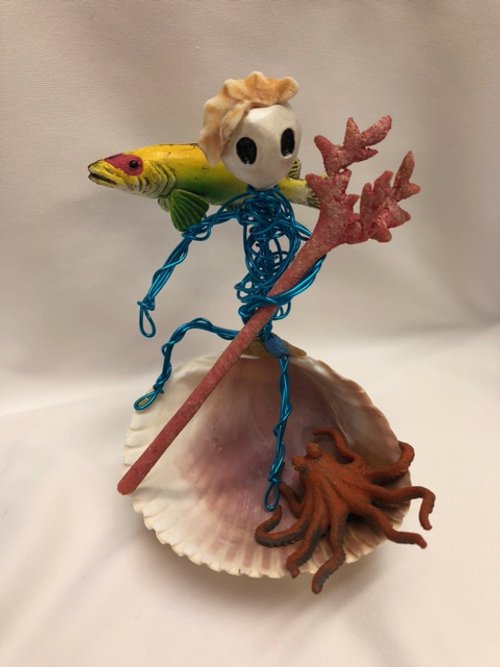
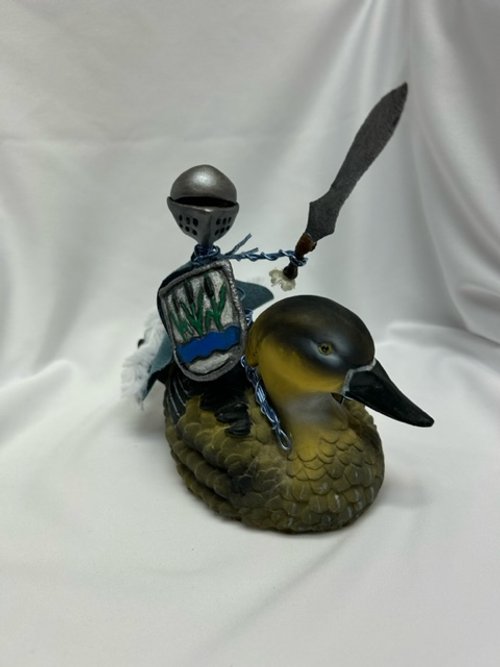
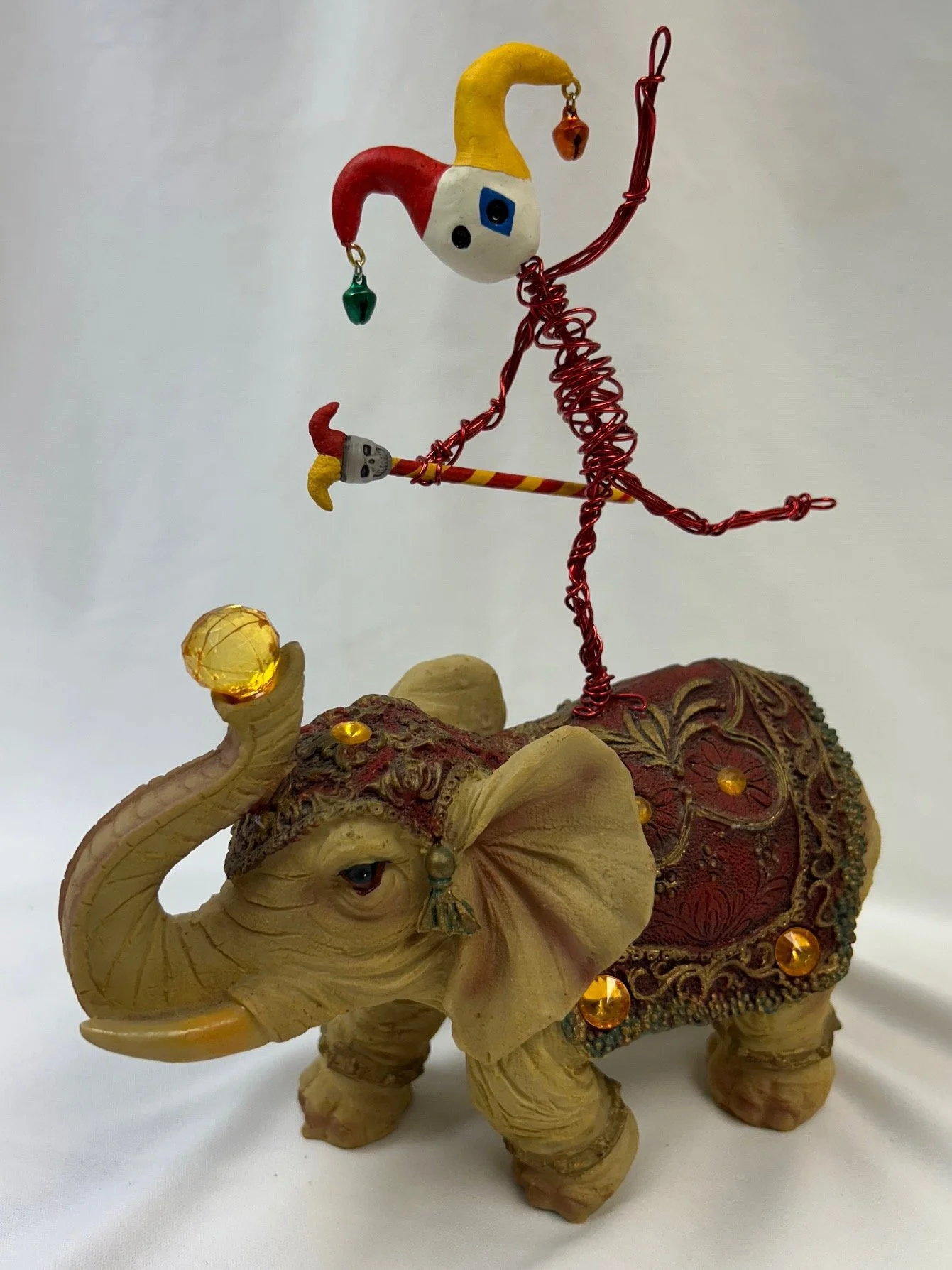
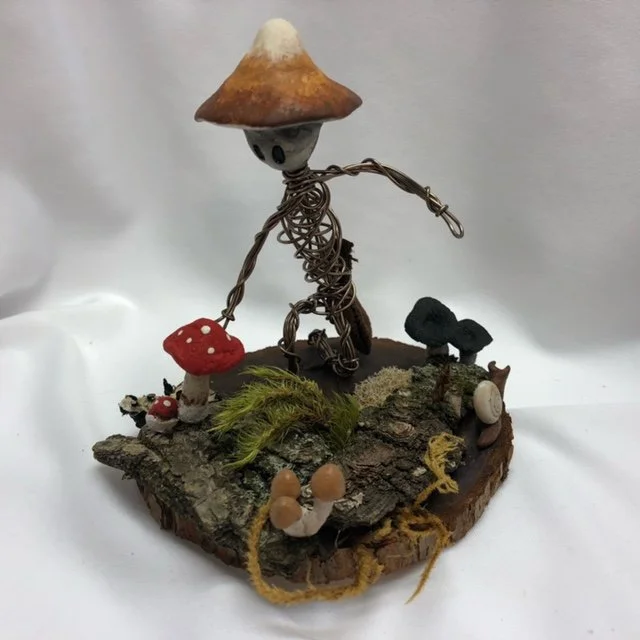
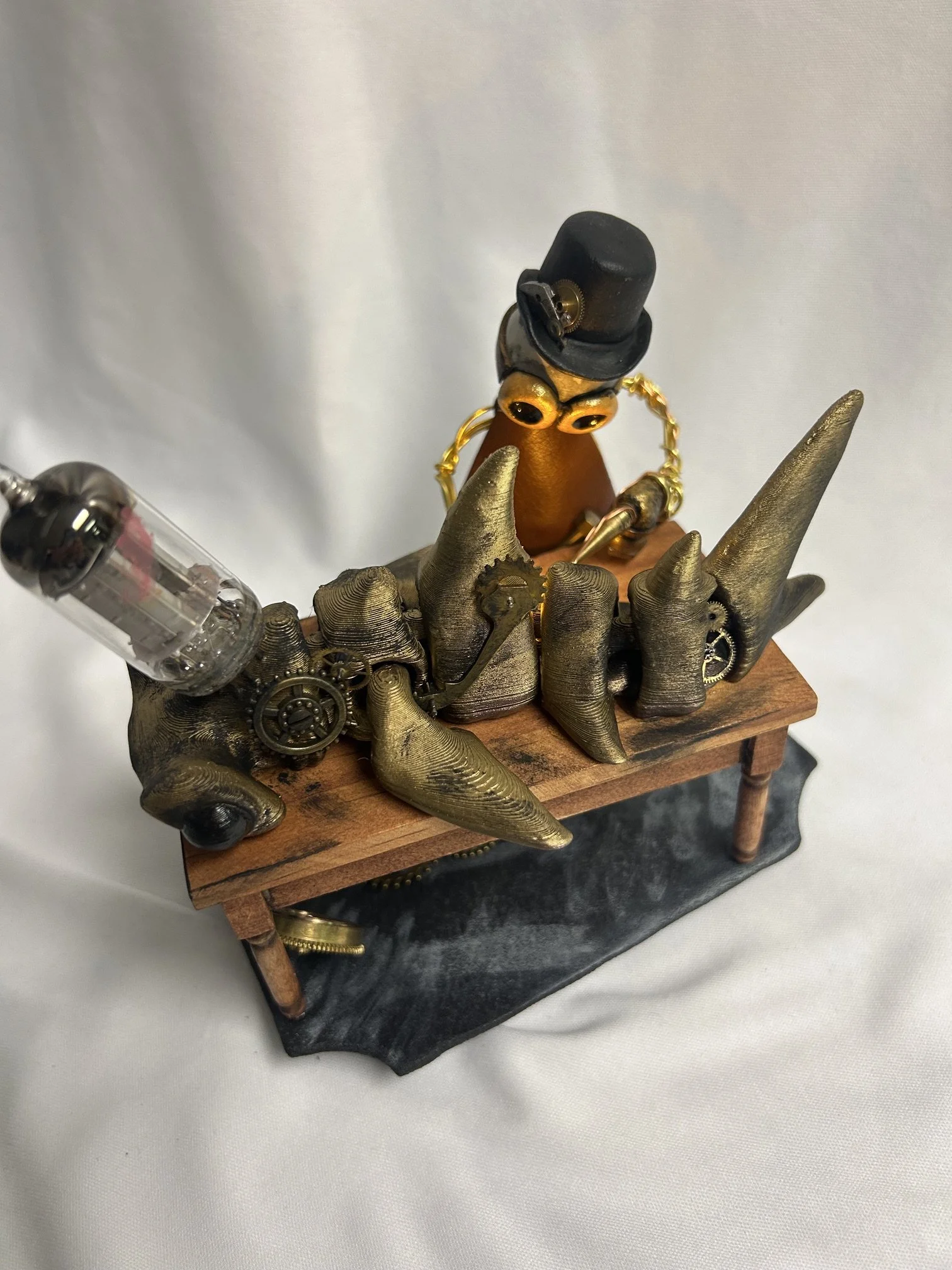
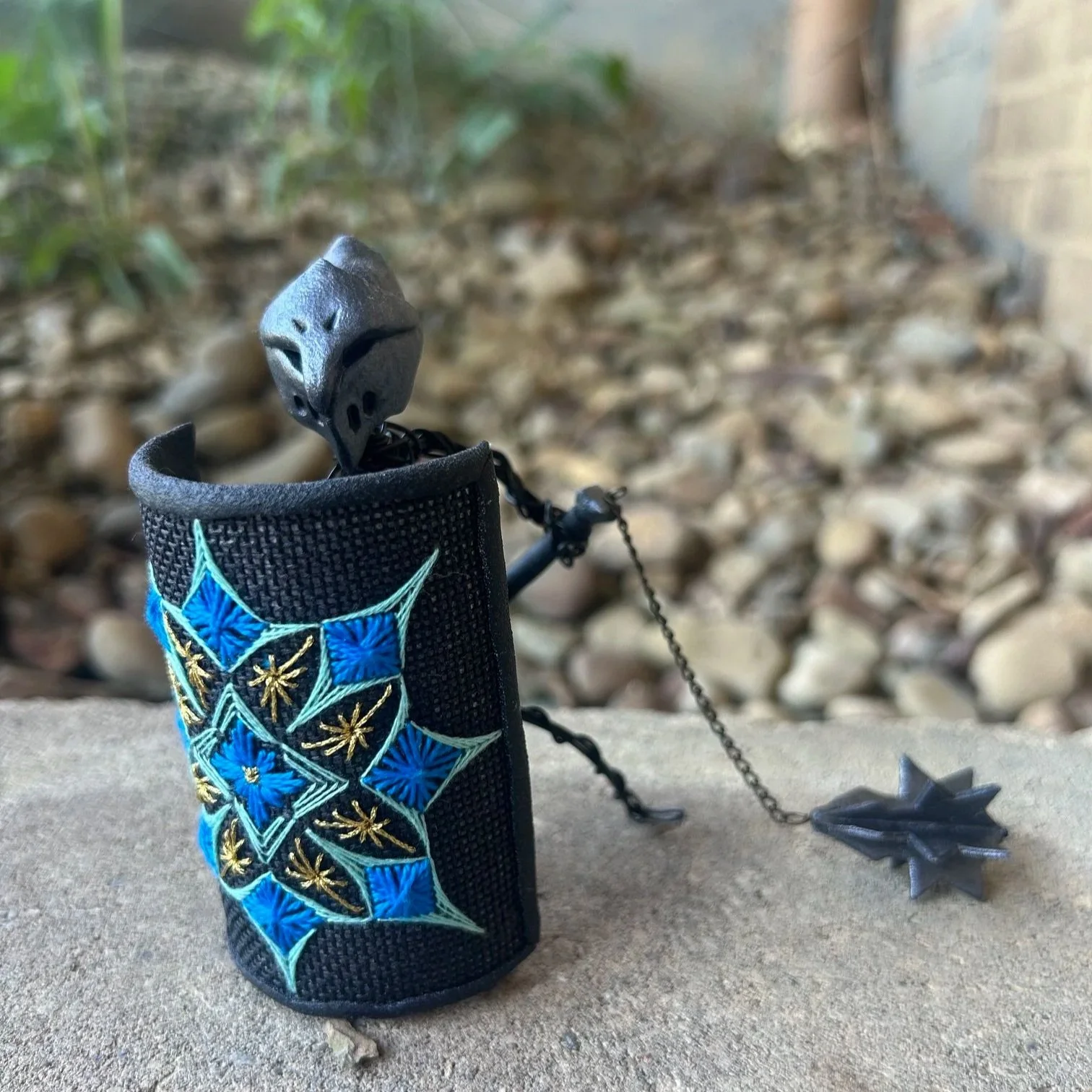
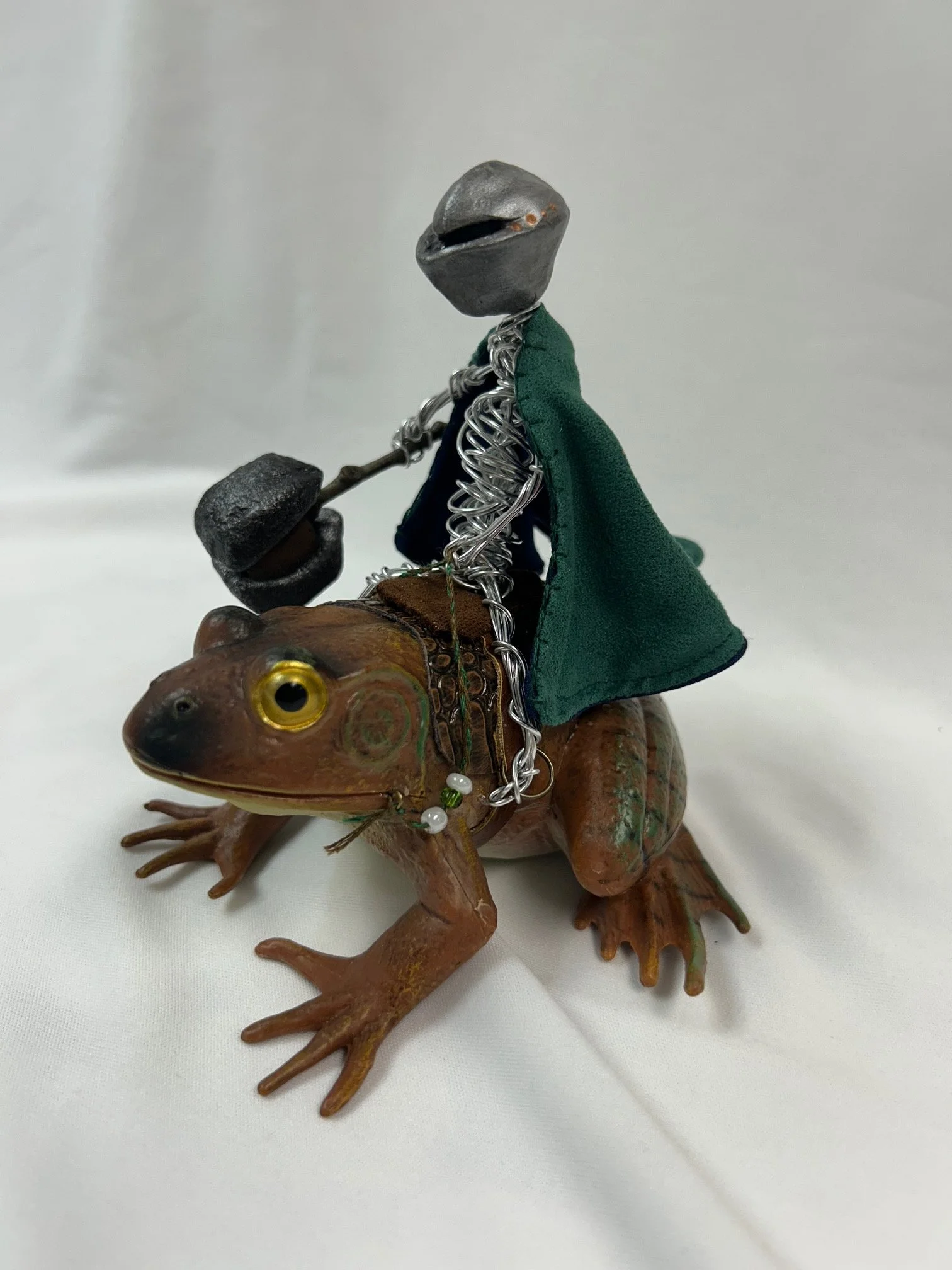
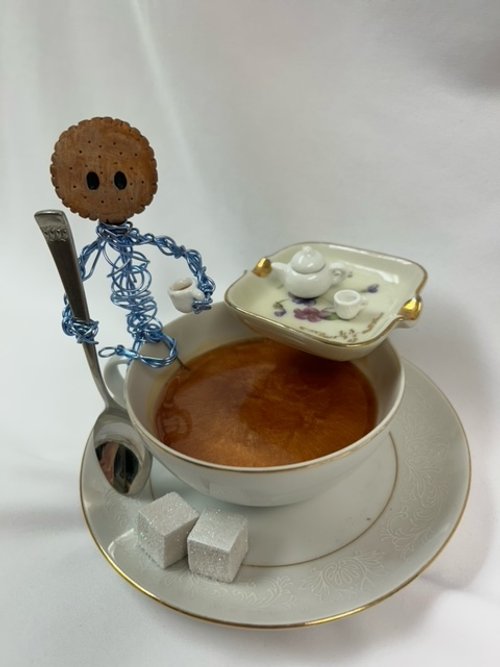
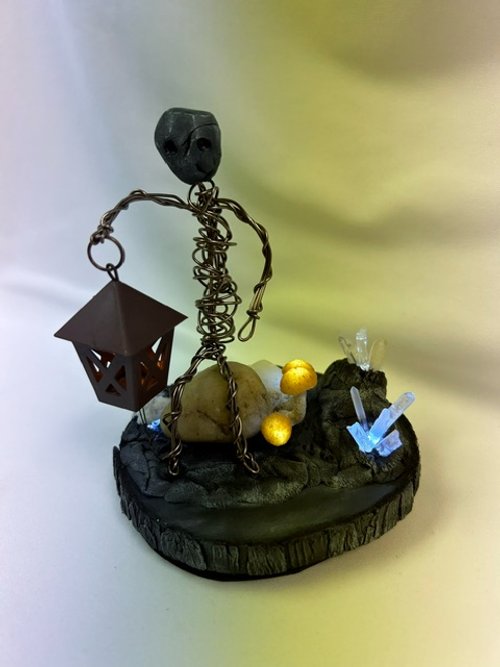
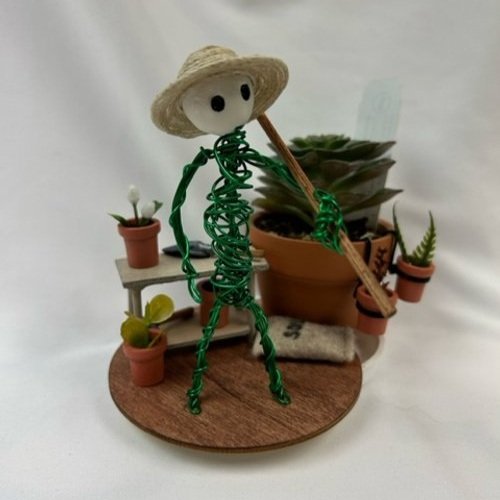
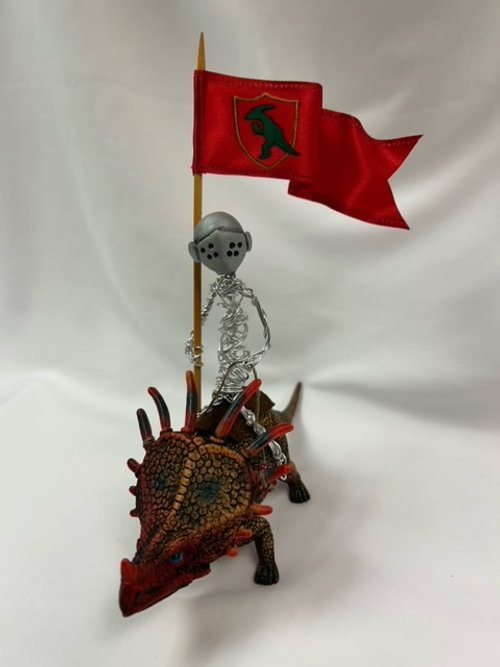
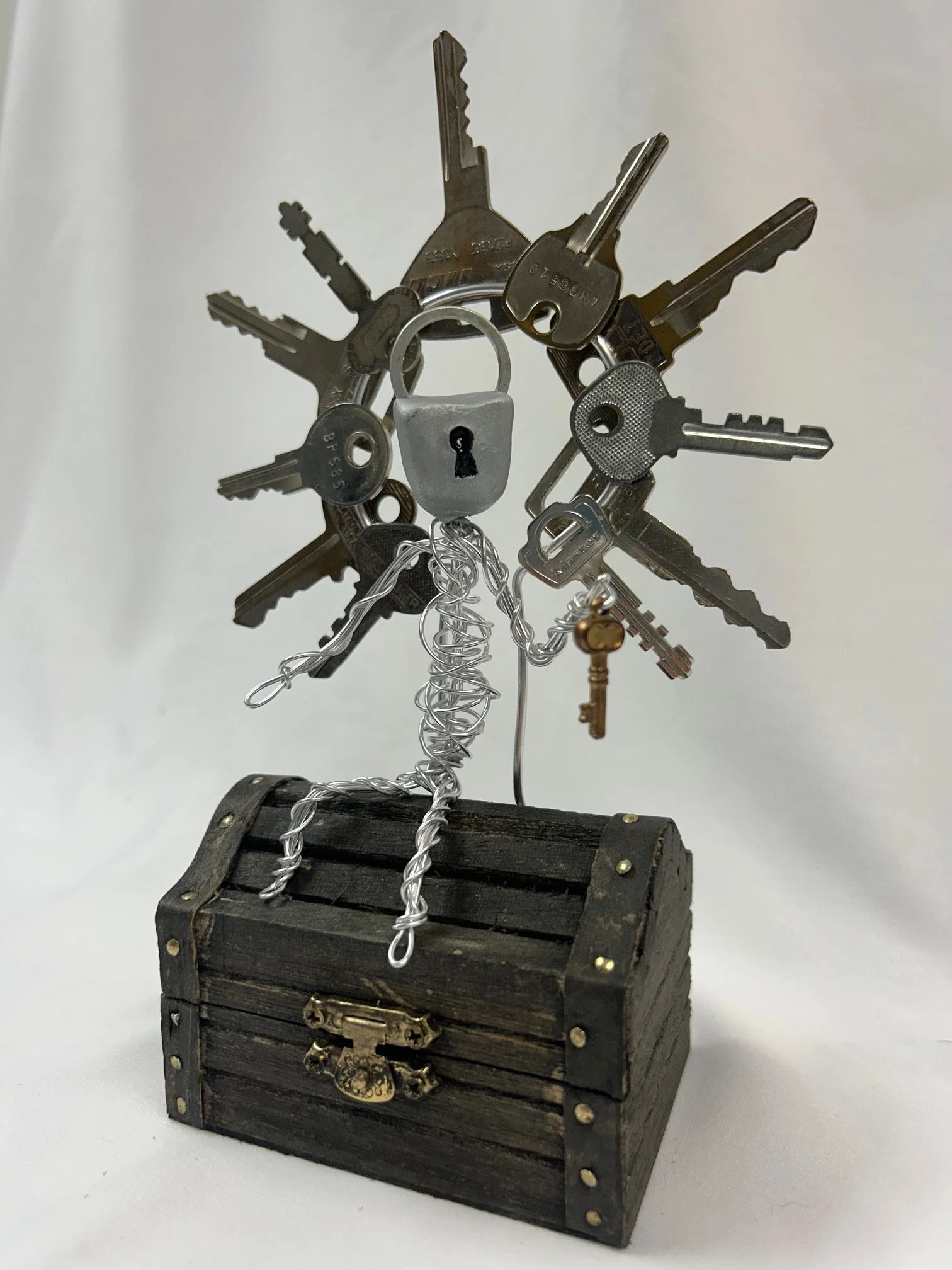
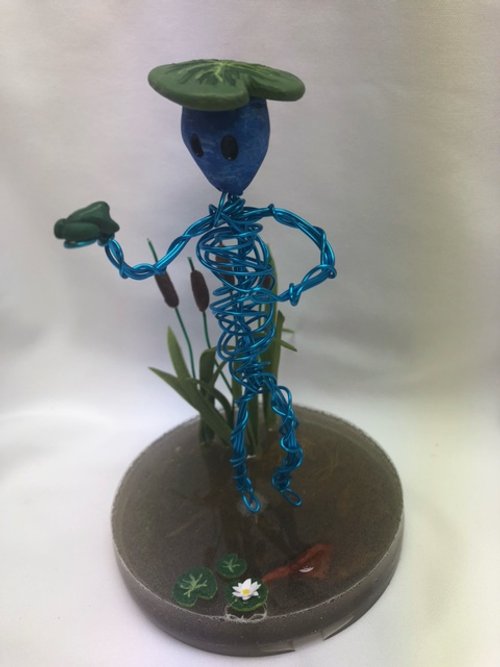
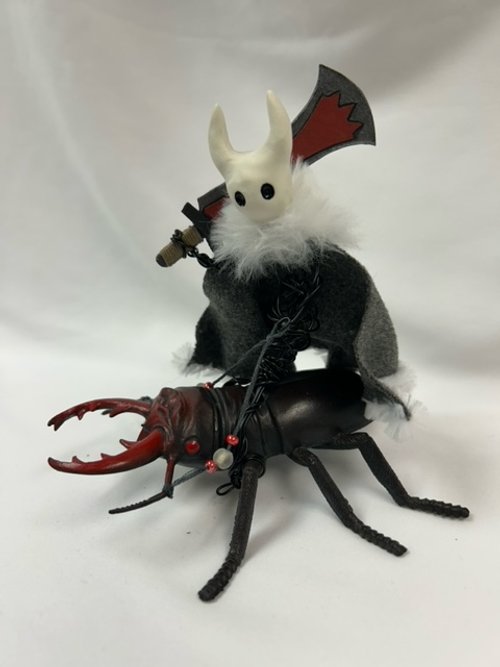
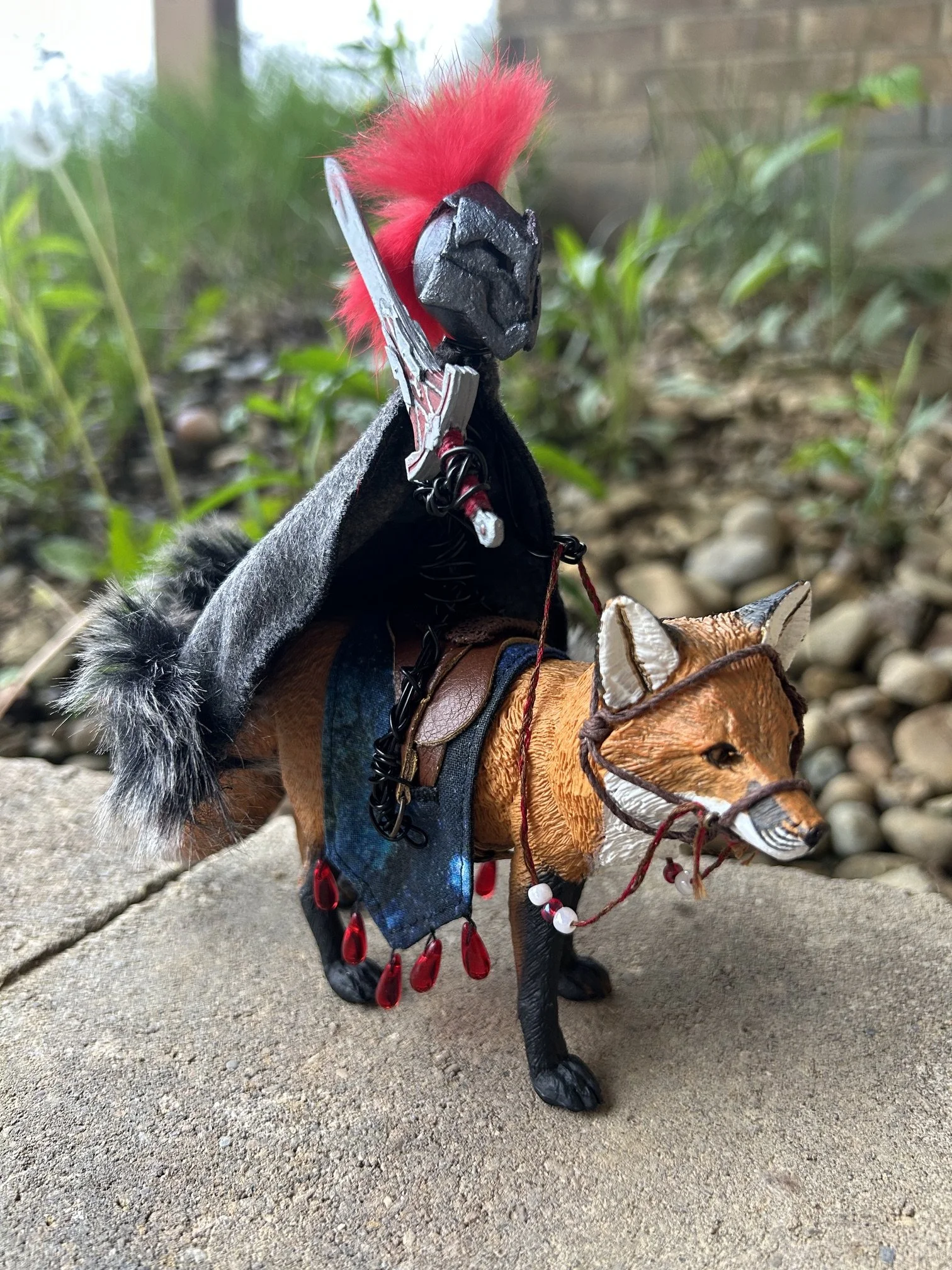
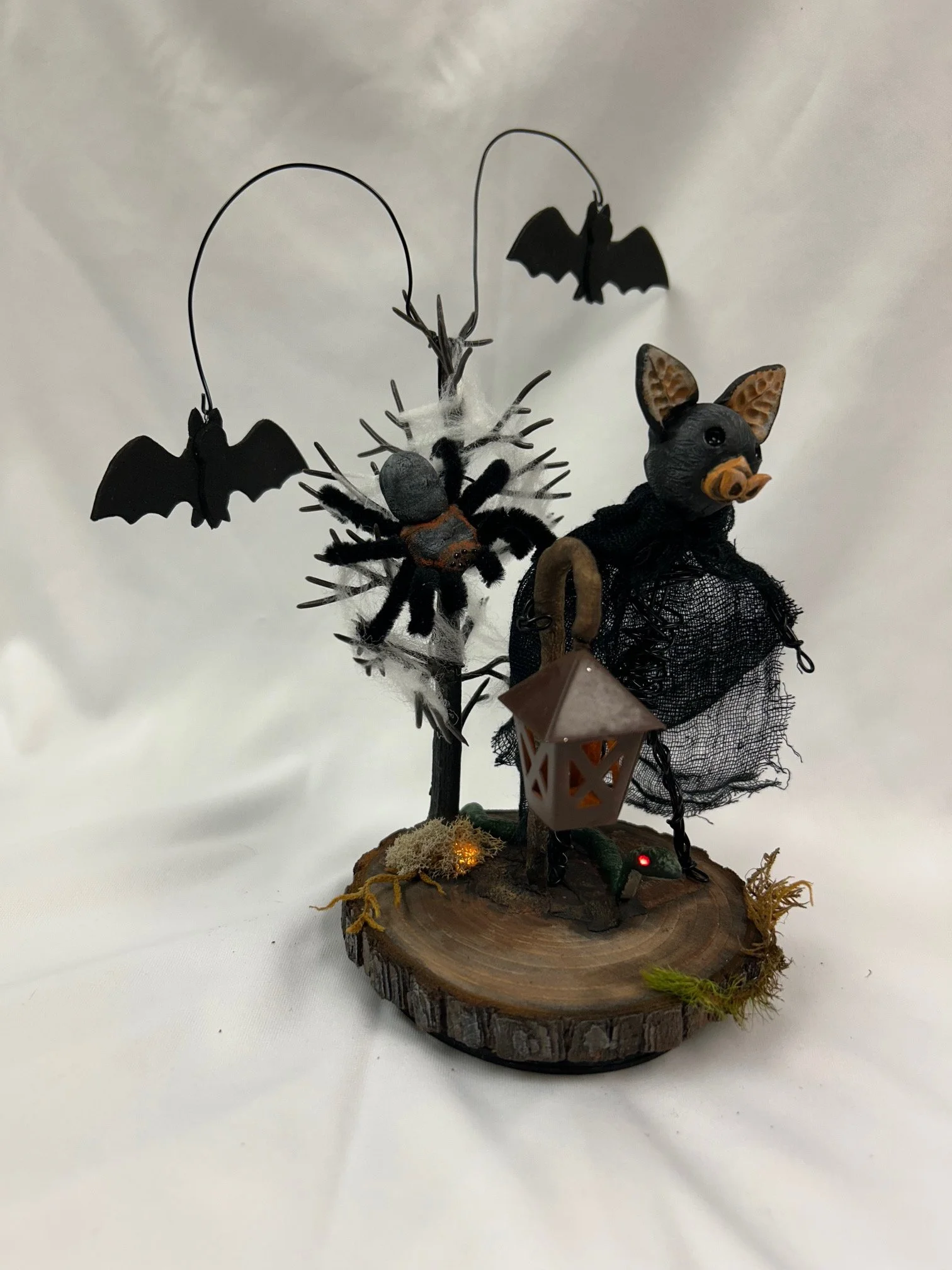
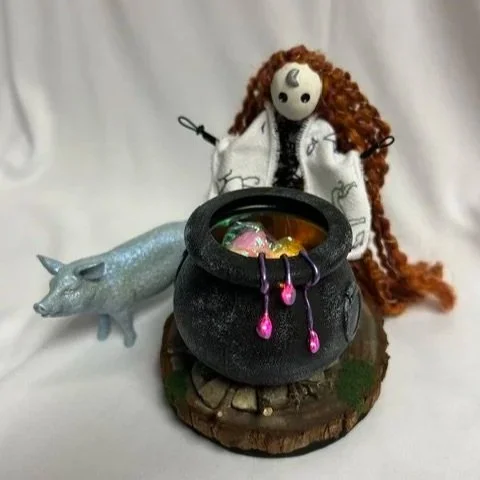
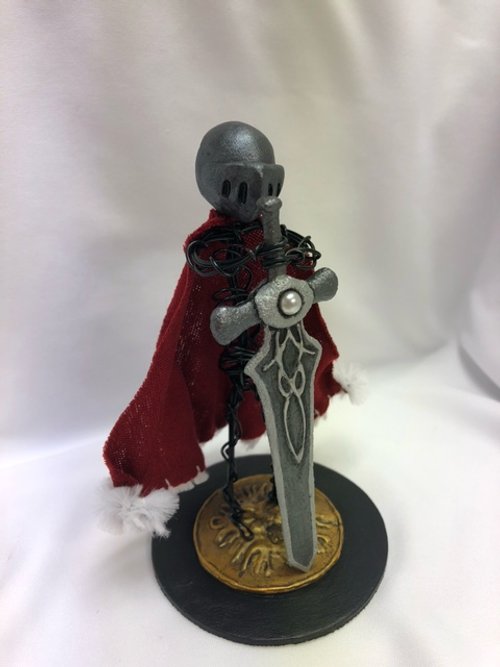
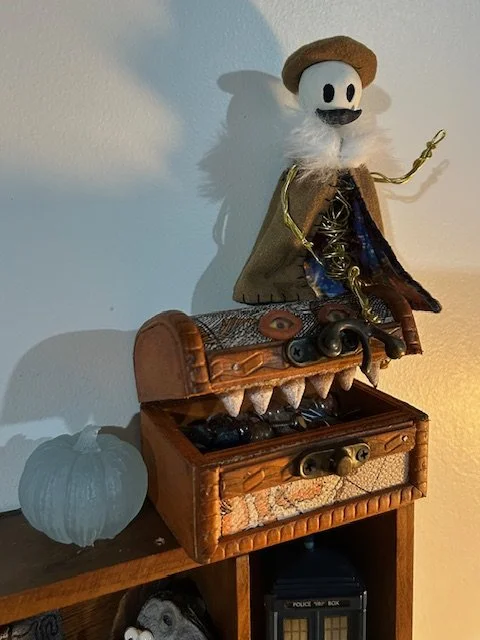
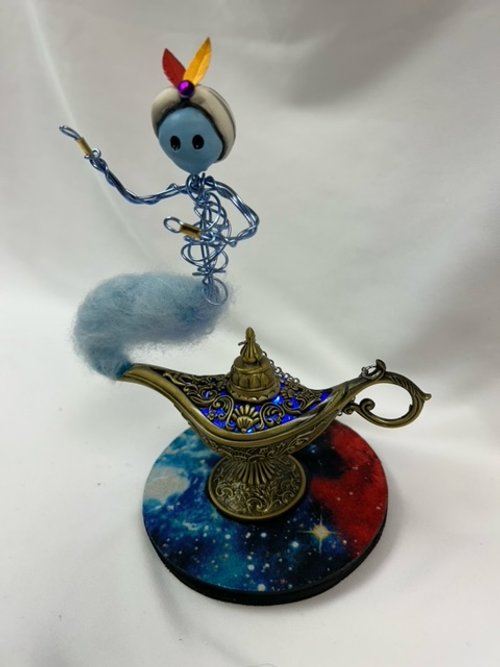
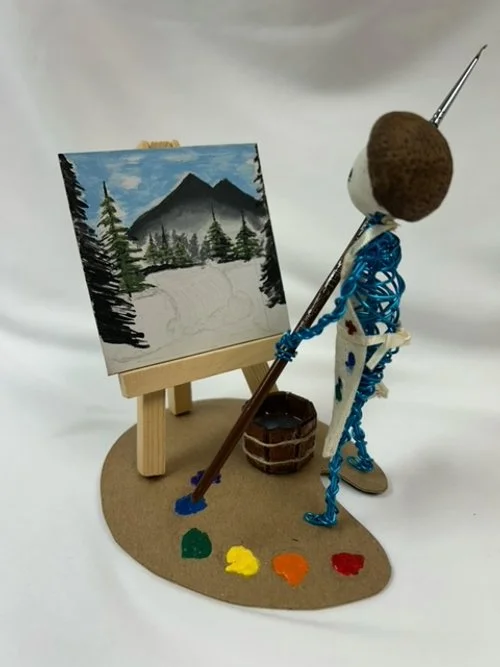
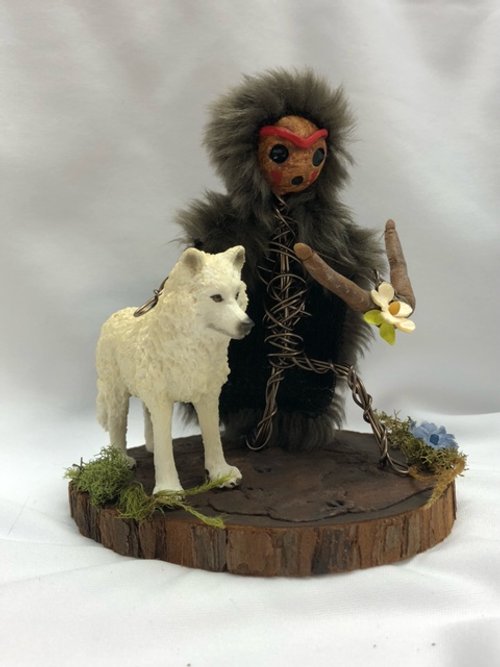
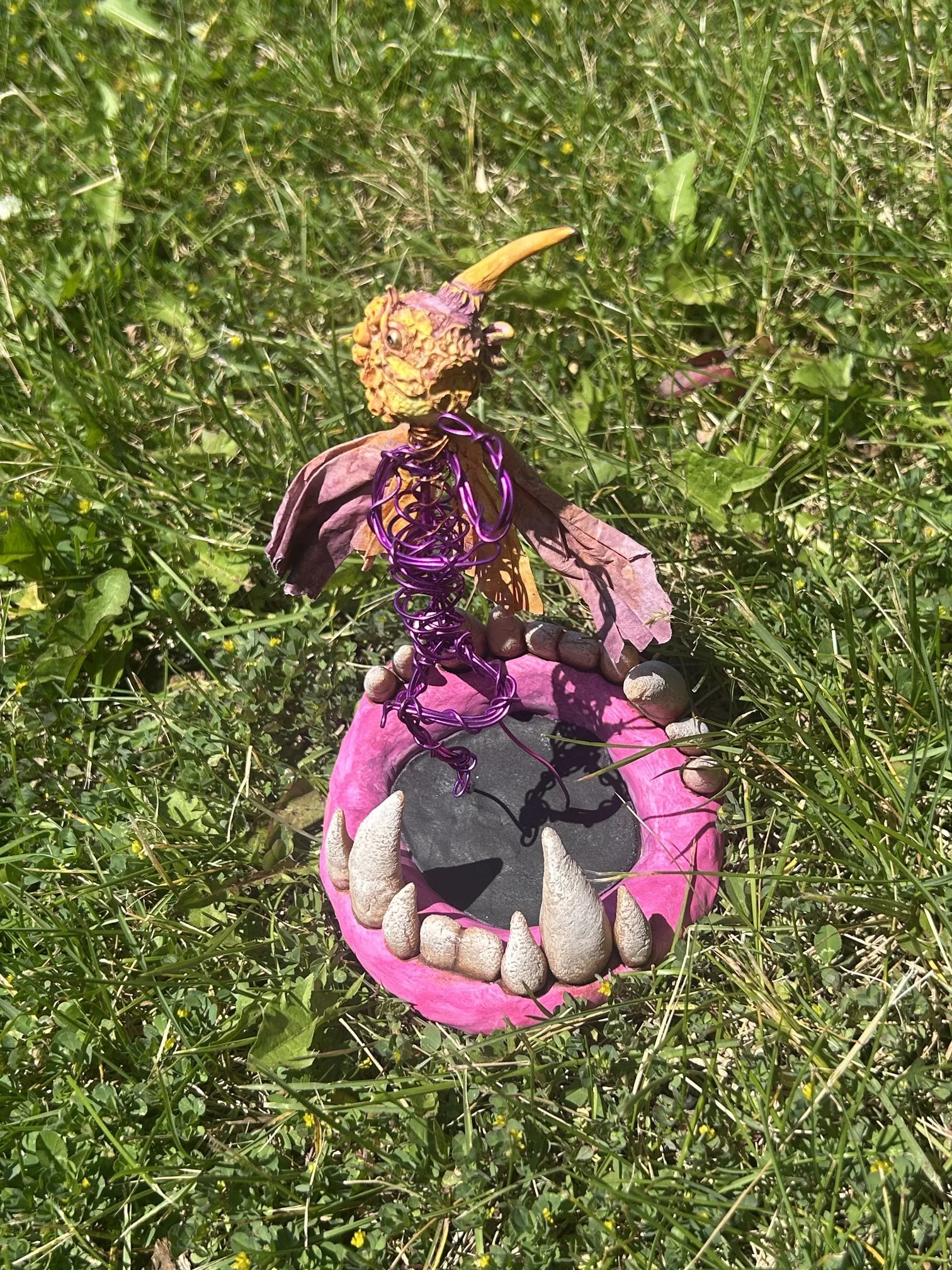
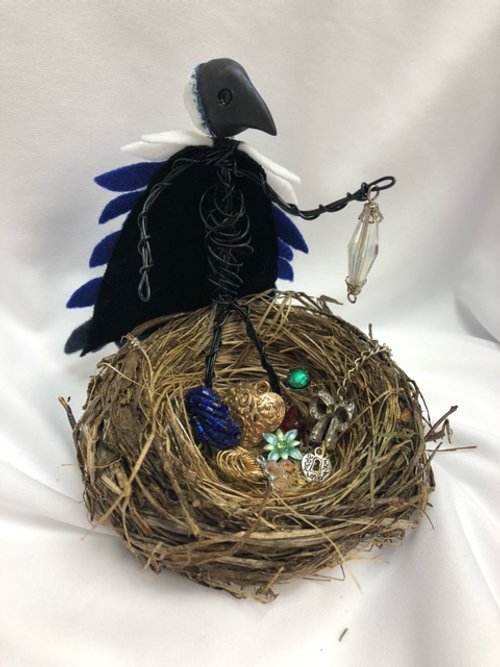
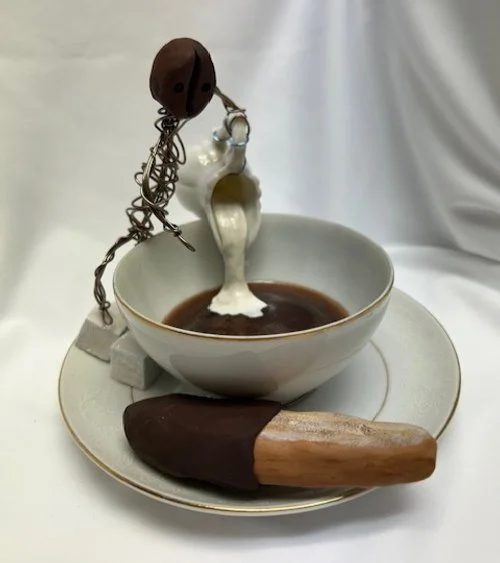
Scintillavir, also known as splinterfolk, are small creatures with wispy, colorful bodies in a variety of hues. Their heads are unique to each individual often resemble something related to their provenance (a topic that will be discussed in the next section). These creatures are semi-corporeal, as they are essentially a coalescence of magical energy with a spark of consciousness. They can manipulate the energy that makes up their bodies in order to become more or less solid, such that they can interact with the material world as they desire. Furthermore, they can alter their shape and form in a variety of ways, though they are most commonly seen as humanoid in appearance.
Behavior & Magical Abilities
Scintillavir are purely magical in origin, and as such do not reproduce biologically. Each individual springs to life from something small that is imbued with magical energy called a splinter. This is where scintillavir get their more common moniker of “splinterfolk.” The splinter is generally a small piece or amount of something, and can be nearly anything which contains magical energy. Often when a piece of a magical object, creature, or source is split off from the main body, it retains some of its magical power, and these small fragments of magic can come to life as scintillavir. It is unclear why only small slivers of magic can become alive in this way, as much about how these creatures come to be is still a mystery. What we do know is that it is an exceptionally rare phenomenon.
A scintillavum will often incorporate their splinter into their being or effects, depending on the nature of said splinter. For example, a scintillavum birthed from the ceramic chip of a teacup may incorporate that chip into its body or perhaps will turn it into some sort of jewelry to wear. Not all splinters are physical objects, however, so they can manifest in other ways as well. For example, stray moonbeam which spawns a scintillavum may manifest itself as a pale glow emanating from their body which changes with the phases of the moon.
Splinterfolk can sustain themselves by absorbing magical energy from their surroundings and can also manipulate energy that is similar to that which spawned them. Because each splinter is different, each individual scintillavum has unique magical abilities.
As you’ve gathered by now, splinterfolk are a very diverse group of beings because their magical origins are so varied. It should come as no surprise that the range of personalities and behavior patterns can be wildly different between individuals as well, and that the nature of their splinter has a great impact on their temperaments and identities. One common ability scintillavir all seem to possess is the ability to communicate. They do not explicitly have a language (though a few whose origins are closely tied to language can speak and/or write in a collection of languages related to their splinter), but they can communicate thoughts and feelings telepathically. It can take some time to learn how to interpret them, but these unique little creatures can have quite a lot to “say” when they find someone who is willing to listen.
Field Notes
Because they don’t reproduce biologically, scintillavir are sexless. They do, however, often express gender as part of their identity. While it is unclear why exactly this happens, I believe splinterfolk are impacted by human perception (or the perception of other sentient beings in their vicinity). While this is still only a theory, it might explain why these creatures often choose humanoid forms, and why they tend to surround themselves with things that we would connote with their provenances.
As these delightful creatures are so varied in characteristics, personalities, and powers, I’ve decided to keep a catalogue of all the individuals I’ve met in my tenure as a cryptozoologist. You can find that record HERE
OOC Corner
Splinterfolk are a creation of my own, though they are inspired by the hollowfolk, or at least my version of them. Hollowfolk are based on characters from the video game Hollow Knight.