Mothman
Michael MacWolff
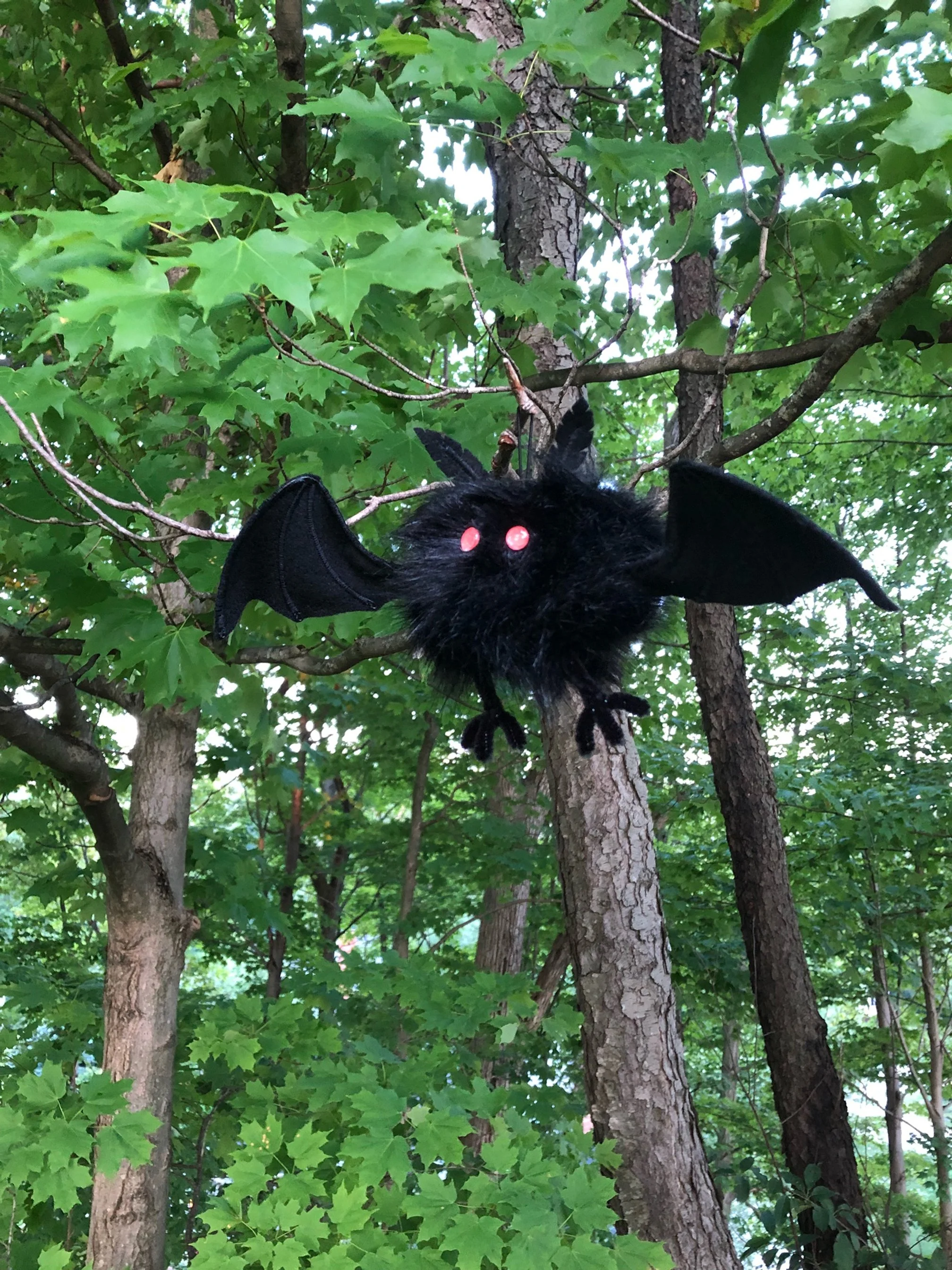
Cryptologic Name: Kryptanthropos skotenoros
Planar Origin: Materia
Habitat: Temperate forests
Diet: Hemovorous
Appearance & Morphology
The mothman is humanoid creature with dark, shadowy skin and dark wings. This creature’s eyes are bright red and glow brilliantly. Adult mothmen are elusive, crepuscular (most active at twilight hours), and have magical abilities that impact the perception and consciousness of creatures that look at them, meaning they are very rarely observed in the wild. Much like their namesake, mothmen are metamorphic creatures, going through a dramatic shift in morphology at different points in their life cycle. Mothmen lay large, grey eggs from which their larva hatch. This larval stage, called a mothling, is about the size of a grapefruit and has shaggy black fur across the whole of its compact, round body. They have a set of small, spindly legs with 3 clawed toes that resemble a birds’ feet, and a pair of leathery, bat-like wings. Their eyes are red and glow, just like in their adult form (though not as brightly), and they have a proboscis-shaped mouthpart and two feathery antennae on their faces. The in the late fall (usually immediately following the first frost of the year), the mothling will burrow into the soil and go through a pupal stage to overwinter before emerging in early spring as an adult mothman. Adult mothmen are substantially larger than their larval stage, standing between 6-7 feet in height and having a wingspan of up to 10ft.
Behavior & Magical Abilities
At all stages of their lives, mothmen use their proboscises to drink nutrient-rich blood from animals, though the nature of this feeding looks different between the larval and adult stages. As a mothling, these creatures are considered scavengers as rely on carcasses found in the wild for the blood they drink. Adult mothmen, however, are predators who will kill their own prey and drain the blood from their carcasses. While this sounds potentially dangerous to the balance of the ecosystem in which they live, they rarely cause major shifts in their local wildlife populations for two reasons. First, Mothman populations are quite sparse to begin with. Additionally, they only need to feed approximately once a week on a medium to large animal to sustain their livelihood. This means that adult mothmen hunt and kill at a very low rate, and the exsanguinated carcasses provide food for other species in their native habitats.
The mothman’s magical abilities mostly seem to stem from its glowing stare, causing those who look into its eyes to become disoriented and their vision to blur. This is one main reason we don’t have a clear understanding of adult mothmen’s anatomy as it is difficult to observe directly. Even using mechanical and electronic means to capture their form has yielded little result as both digital and film images of mothmen come out distorted and unclear. This ability is likely used when it hunts to keep prey from easily noticing its approach. This disruptive magic exists in the mothling as well, but is significantly weaker. Cryptozoologists have developed spelled eyewear that prevents the wearer from the blurring and disorienting effect of the creature’s magic, but have yet to develop a strong enough countermeasures to combat the magic of an adult mothman.
Field Notes
While adult mothmen are very elusive and avoid contact as much as possible, in their larval stage they seem to be much more curious and playful and have been known to approach humans if they don’t sense a threat. It is unclear why this temperament changes so drastically when they reach adulthood but we are fortunate to know as much as we do about these creatures as a result of mothlings’ disposition.
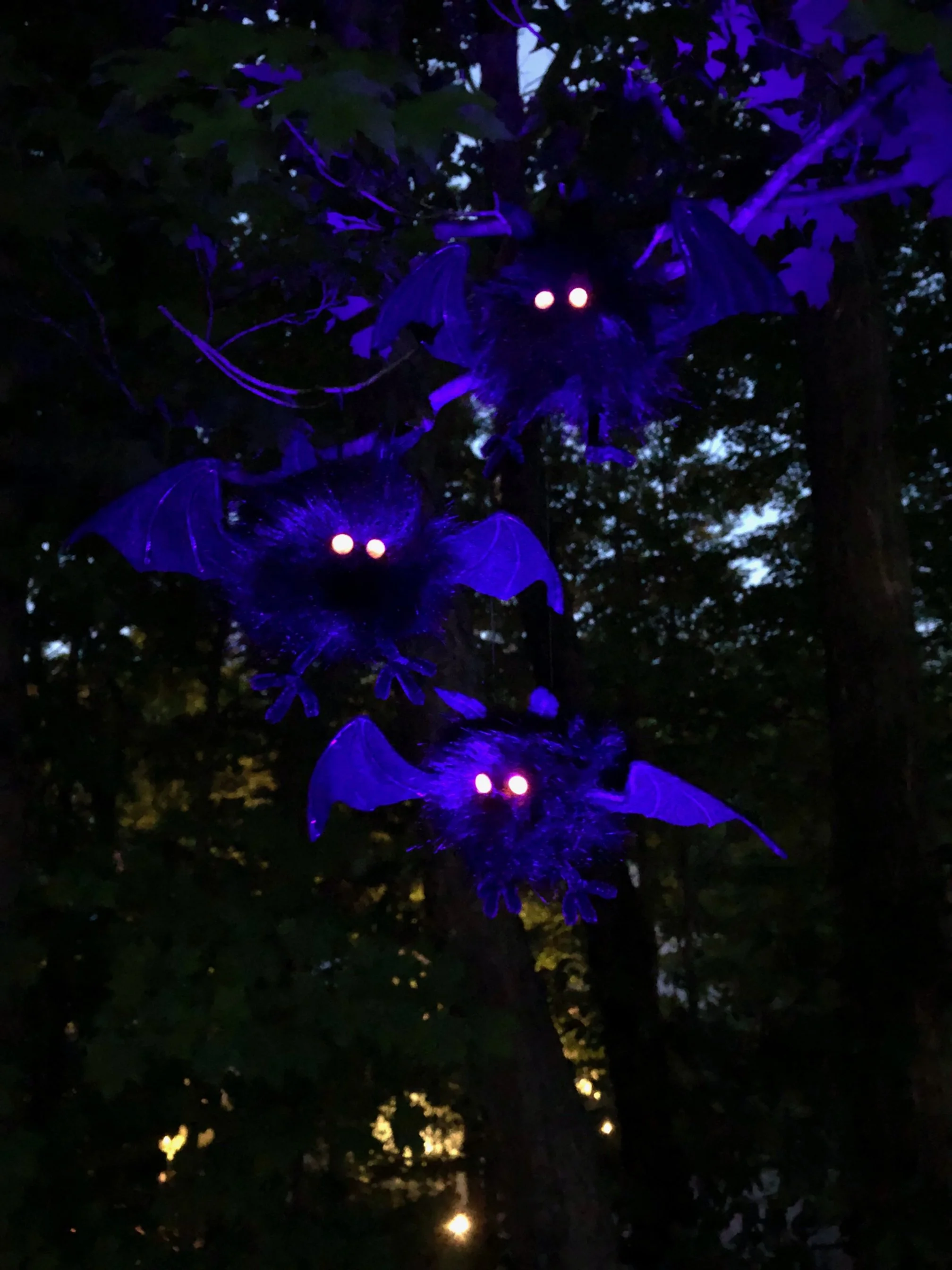
It is very rare to see more than one mothling at a time, but I managed to capture trio on an evening hike in Shawnee State Park
OOC Corner
The mothman is a North American cryptid.