Contact Us

Questions? Comments? Concerns? Suggestions? Submissions? Shout-outs?

Whatever you want to tell us here at Mikey Does Cosplay, we're always happy to hear your thoughts and feedback!


123 Street Avenue, City Town, 99999

(123) 555-6789

email@address.com


You can set your address, phone number, email and site description in the settings tab.
Link to read me page with more information.

Cryptobiology

Filtering by Category: folklore

Mothman

Michael MacWolff
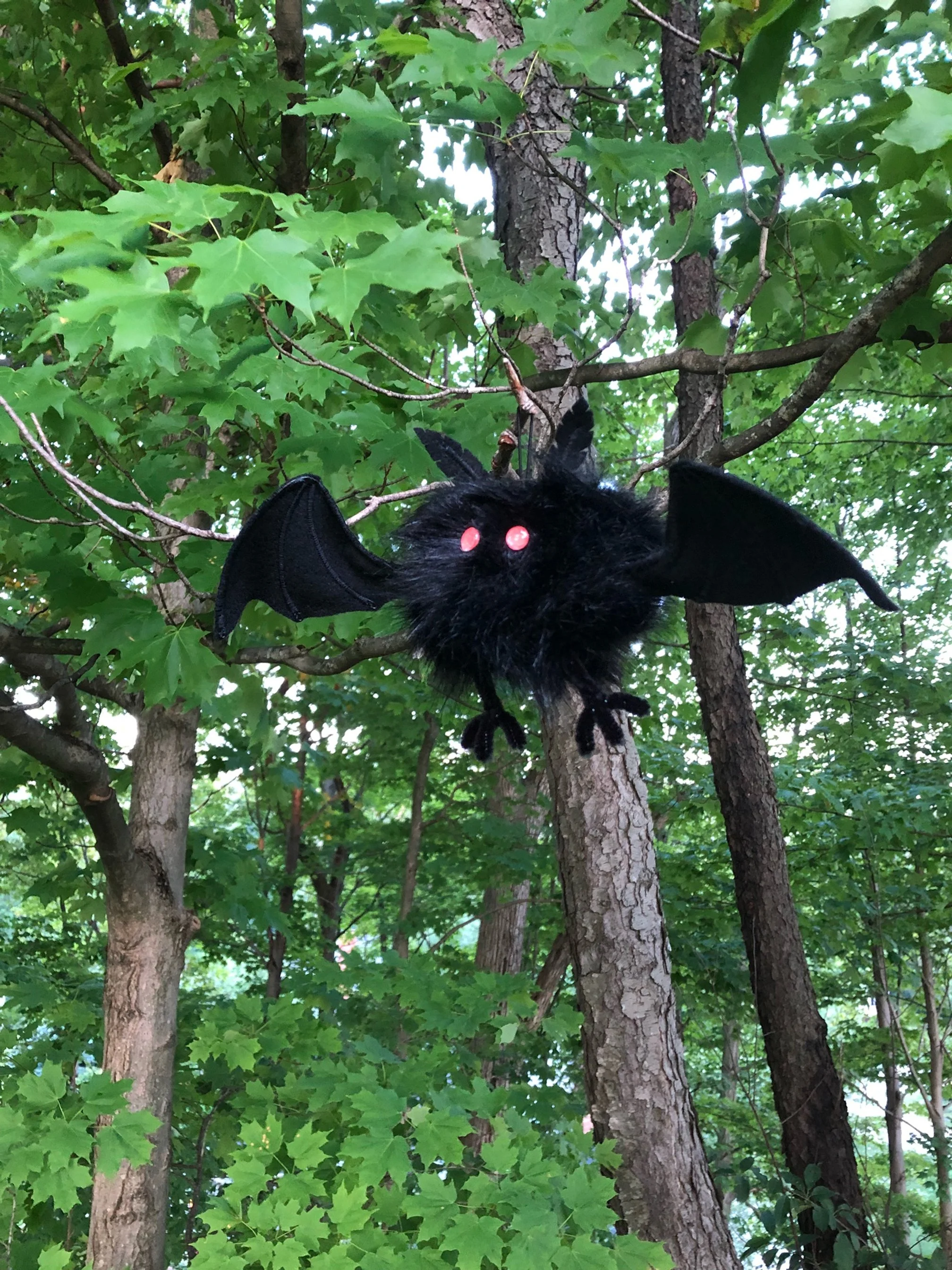
Cryptologic Name: Kryptanthropos skotenoros
Planar Origin
: Materia
Habitat: Temperate forests
Diet: Hemovorous

Appearance & Morphology
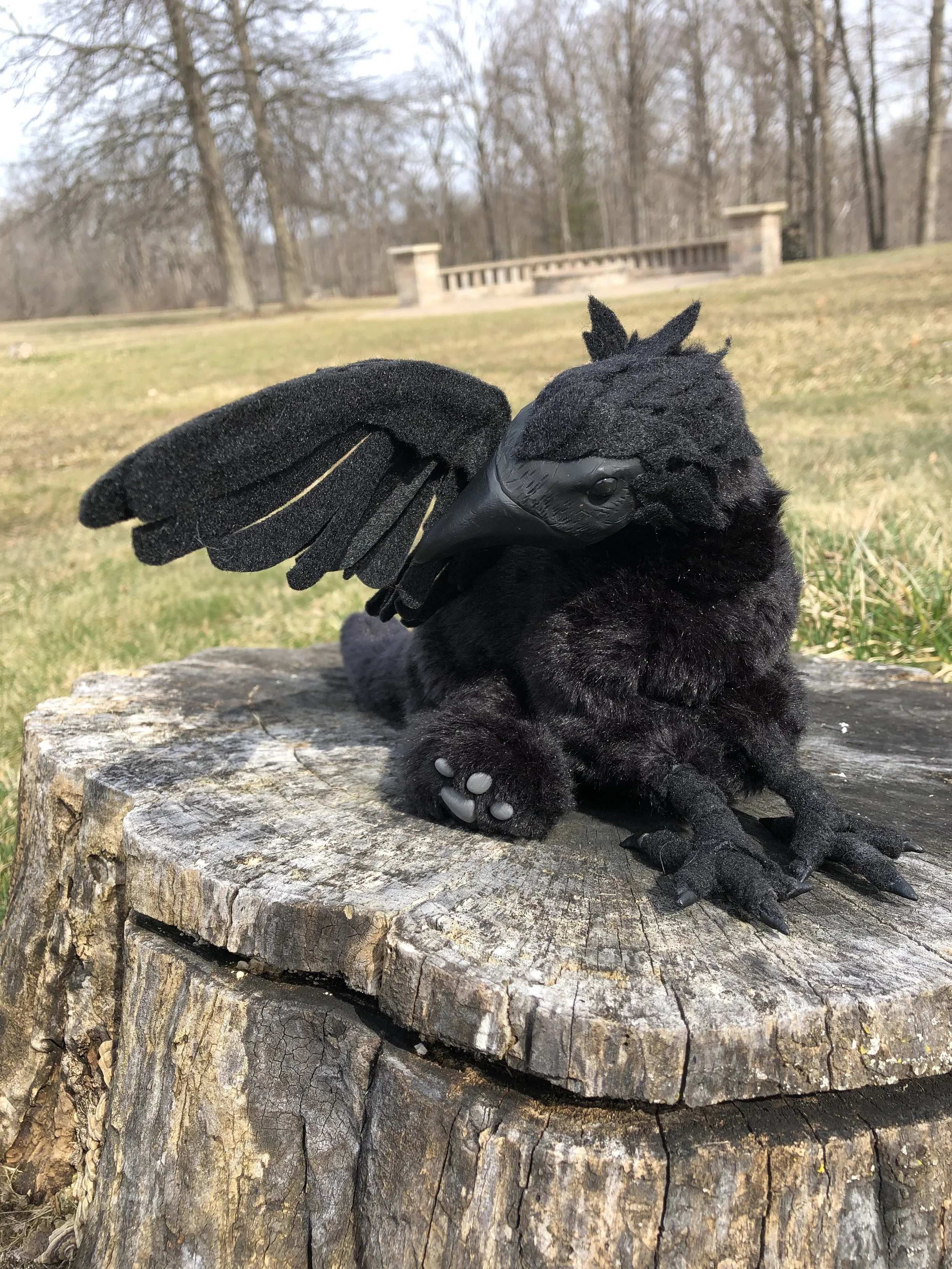
The mothman is humanoid creature with dark, shadowy skin and dark wings. This creature’s eyes are bright red and glow brilliantly. Adult mothmen are elusive, crepuscular (most active at twilight hours), and have magical abilities that impact the perception and consciousness of creatures that look at them, meaning they are very rarely observed in the wild. Much like their namesake, mothmen are metamorphic creatures, going through a dramatic shift in morphology at different points in their life cycle. Mothmen lay large, grey eggs from which their larva hatch. This larval stage, called a mothling, is about the size of a grapefruit and has shaggy black fur across the whole of its compact, round body. They have a set of small, spindly legs with 3 clawed toes that resemble a birds’ feet, and a pair of leathery, bat-like wings. Their eyes are red and glow, just like in their adult form (though not as brightly), and they have a proboscis-shaped mouthpart and two feathery antennae on their faces. The in the late fall (usually immediately following the first frost of the year), the mothling will burrow into the soil and go through a pupal stage to overwinter before emerging in early spring as an adult mothman. Adult mothmen are substantially larger than their larval stage, standing between 6-7 feet in height and having a wingspan of up to 10ft.

Behavior & Magical Abilities
At all stages of their lives, mothmen use their proboscises to drink nutrient-rich blood from animals, though the nature of this feeding looks different between the larval and adult stages. As a mothling, these creatures are considered scavengers as rely on carcasses found in the wild for the blood they drink. Adult mothmen, however, are predators who will kill their own prey and drain the blood from their carcasses. While this sounds potentially dangerous to the balance of the ecosystem in which they live, they rarely cause major shifts in their local wildlife populations for two reasons. First, Mothman populations are quite sparse to begin with. Additionally, they only need to feed approximately once a week on a medium to large animal to sustain their livelihood. This means that adult mothmen hunt and kill at a very low rate, and the exsanguinated carcasses provide food for other species in their native habitats.

The mothman’s magical abilities mostly seem to stem from its glowing stare, causing those who look into its eyes to become disoriented and their vision to blur. This is one main reason we don’t have a clear understanding of adult mothmen’s anatomy as it is difficult to observe directly. Even using mechanical and electronic means to capture their form has yielded little result as both digital and film images of mothmen come out distorted and unclear. This ability is likely used when it hunts to keep prey from easily noticing its approach. This disruptive magic exists in the mothling as well, but is significantly weaker. Cryptozoologists have developed spelled eyewear that prevents the wearer from the blurring and disorienting effect of the creature’s magic, but have yet to develop a strong enough countermeasures to combat the magic of an adult mothman.

Field Notes

  • While adult mothmen are very elusive and avoid contact as much as possible, in their larval stage they seem to be much more curious and playful and have been known to approach humans if they don’t sense a threat. It is unclear why this temperament changes so drastically when they reach adulthood but we are fortunate to know as much as we do about these creatures as a result of mothlings’ disposition.
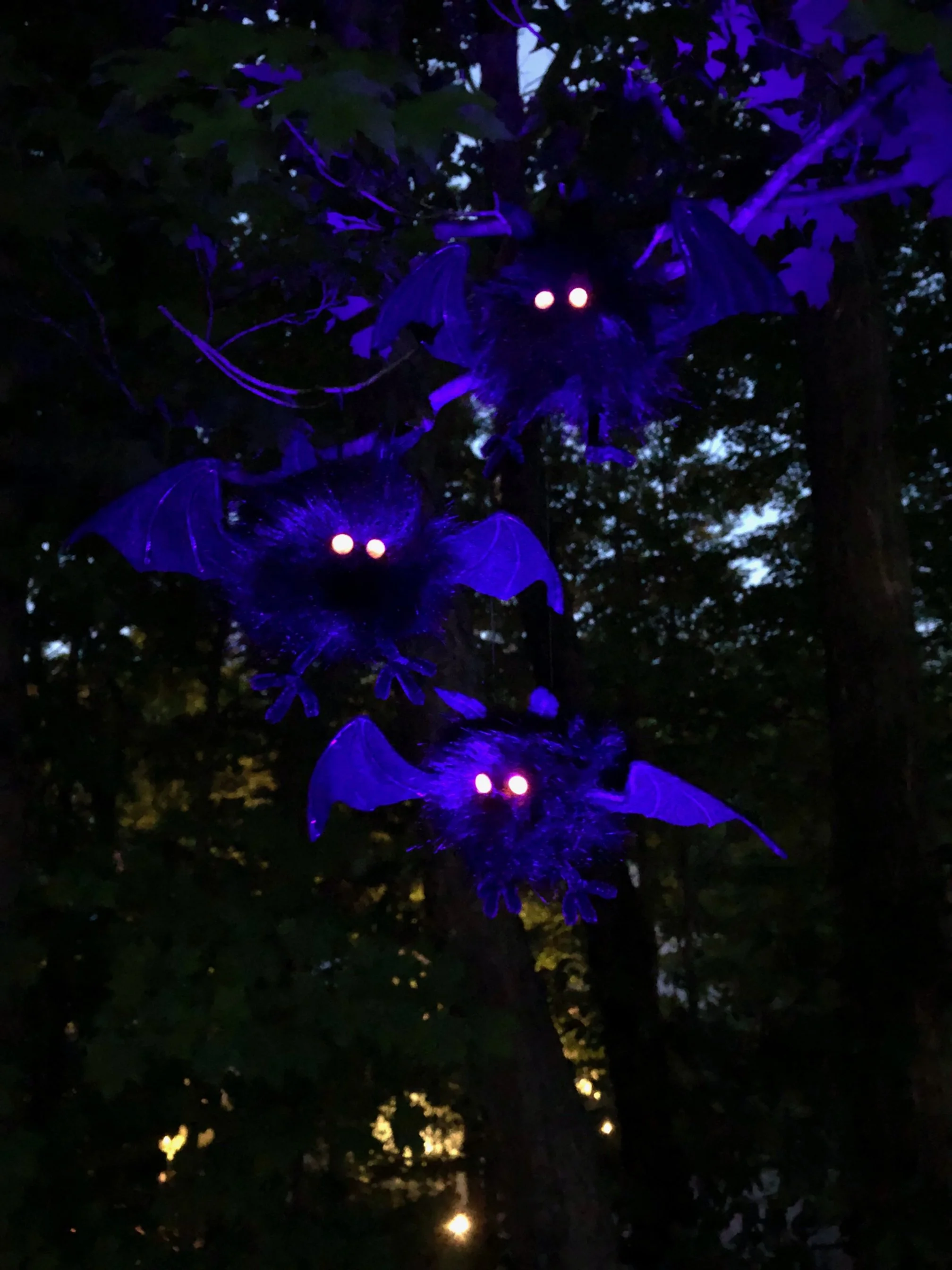
It is very rare to see more than one mothling at a time, but I managed to capture trio on an evening hike in Shawnee State Park


OOC Corner

The mothman is a North American cryptid.
Alebrije

Michael MacWolff

Cryptologic Name: Multacreatura morpastora
Planar Origin
: Materia
Habitat: Varied habitats based on morphology
Diet: Omnivorous

Appearance & Morphology

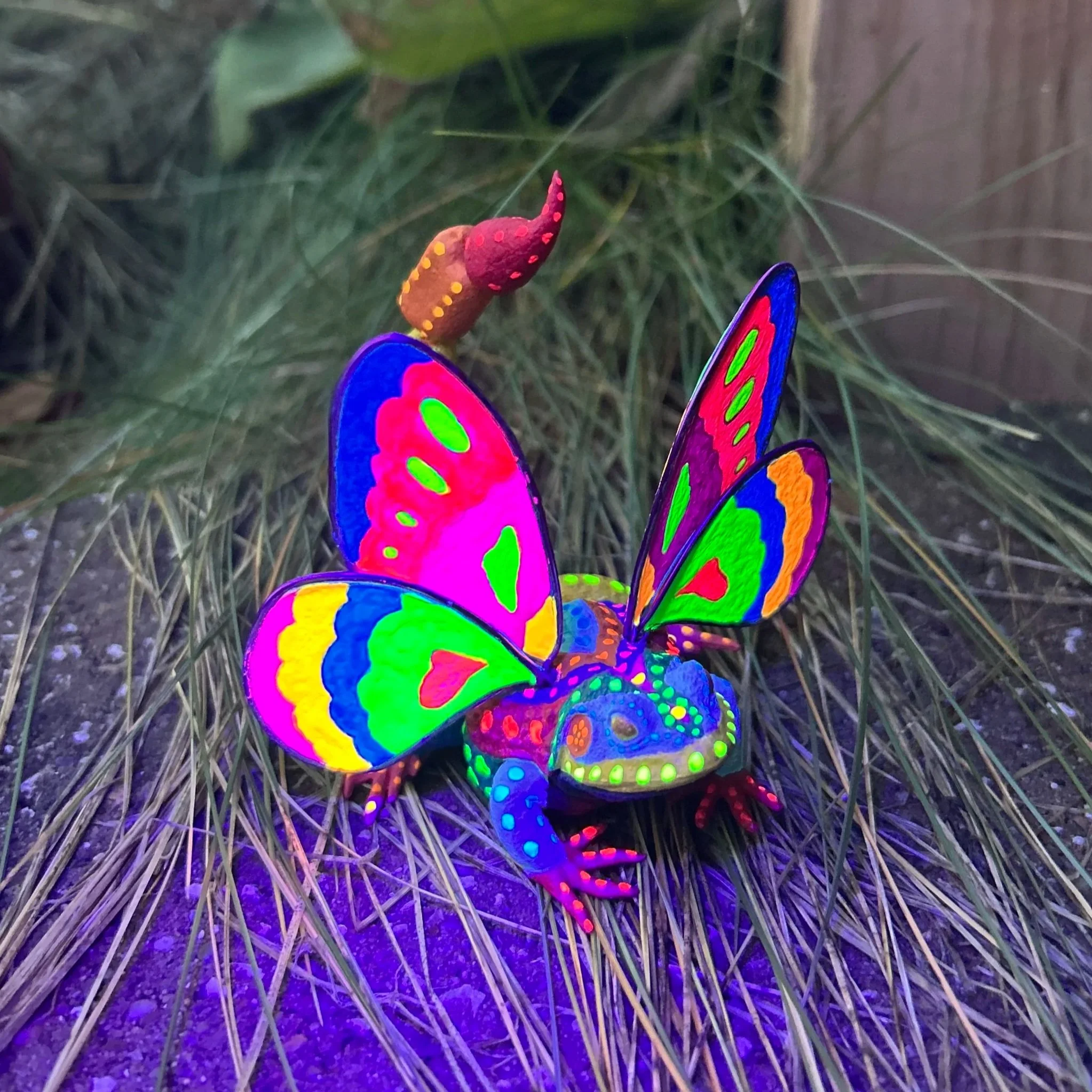
Alebrijes are an incredibly diverse species of magical creature, morphologically speaking. They resemble a variety of nonmagical animals, often having a hybrid anatomy with body shapes, limbs, body coverings, etc. from a variety of different animals. And other individuals resemble a single identifiable creature. The consistent feature of all alebrije is their bright colors and intricate patterns, regardless of whether their body parts are covered with skin, feathers, fur, or scales. Many alebrijes have patterns which illuminate under the right conditions.

Behavior & Magical Abilities

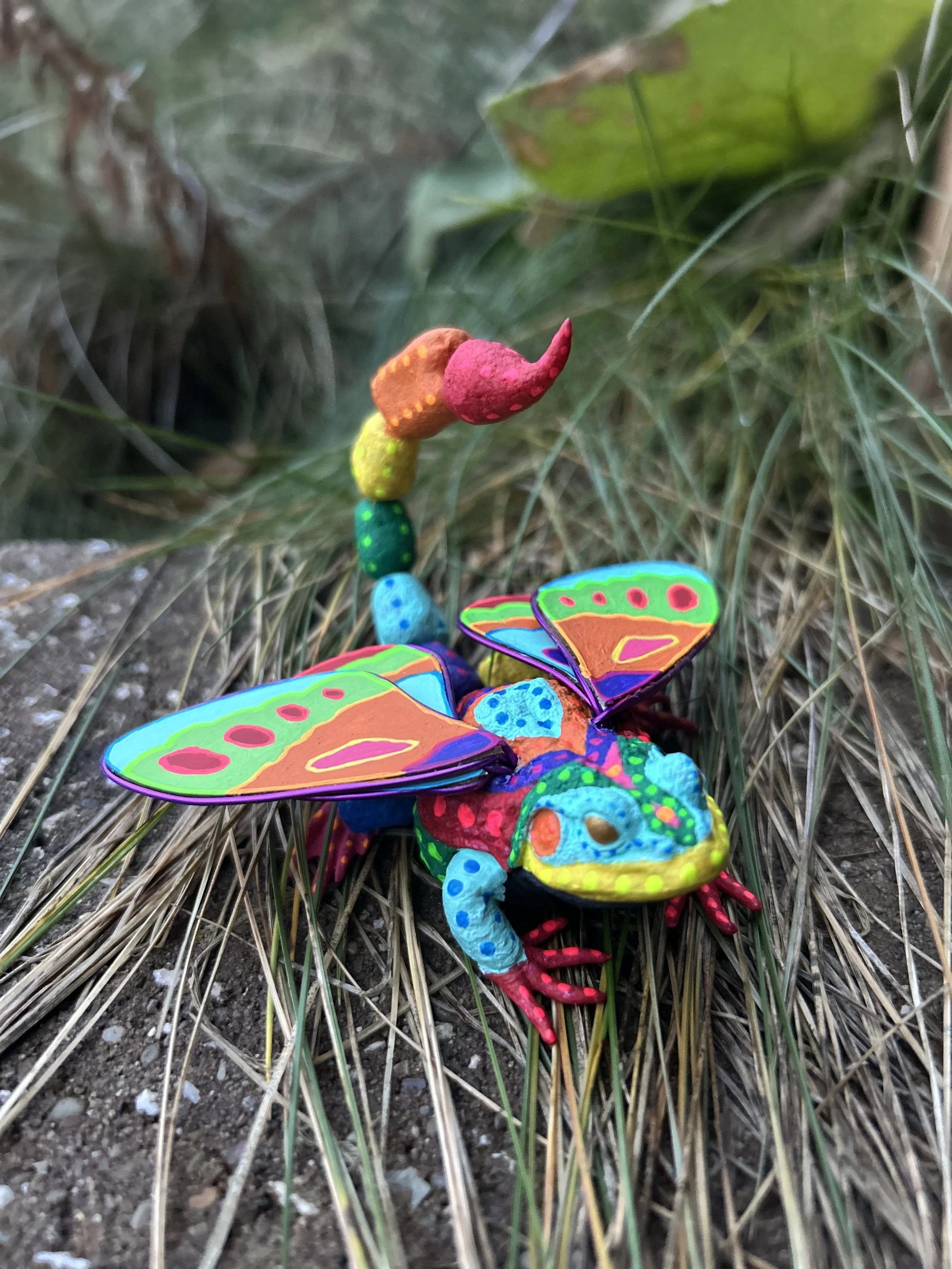
Alebrijes take on characteristics of the creatures whose anatomy they mimic. For example, an alebrije that resembles a squirrel will behave primarily like a squirrel: a tree-climbing creature that likely eats nuts and tries not to get eaten by raptors. This gets more convoluted however, when considering the fact that most of these creatures incorporate physiology from a variety of disparate animals. Take the alebrije pictured above: the central body of a toad/frog, moth wings, and a scorpion tail. Frogs/toads are primarily carnivorous, eating mostly insects and other smaller animals. The venomous stinger would allow it to hunt a wider variety of prey including small rodents and even birds. The moth wings might allow it to fly meaning it could hunt winged insects more effectively, as well as escape predators by taking flight. Frankly this particular combination has more logic to it than some individuals.

Alebrijes do not reproduce sexually but rather spontaneously lay a small clutch of eggs (usually 2-5) once in their lifetime (approximately 5 years old) and raise the young until they reach maturity and lay their own clutch of eggs. Alebrije parents do not pass on their morphology to their progeny, and so raising their young presents a unique challenge when an offspring requires an entirely different source of food from the parent. As such, juvenile alebrijes have a variable survival rate depending on how similar they are to their parents; that said alebrije parents can be quite creative and resourceful when taking care of their young.

Alebrijes are one of very few magical creatures that can pass between worlds at will and are one of the only creatures whose ability to do so is not tied to a specific plane of existence. This incredible power has led alebrijes to be used as spirit guides in various cultures, as they can travel between the material plane and other adjacent planes with ease. An alebrije which forms a strong bond with a human will often travel with them to the realm of the dead when they pass on. They can also accompany us into the dream realm and have been known to lead people out of comas.

Field Notes

  • The alebrije pictured here is named Galliard and is a personal companion of mine. He is quite playful and enjoys accompanying me in my dreams. He came with me when I “introduced” myself to the Yellowstone sleuth of ursai by frantically knocking myself unconscious and thought it was great fun despite nearly giving myself a concussion. Galliard has patterns across his body which he will flash both to attract insects which he wants to eat, as well as startle would-be predators. I befriended Galliard when he was 4 so I got to witness him brood. He laid a clutch of 3 eggs and his offspring included a kiwi bird with a rattlesnake tail and hedgehog quills, a small canid animal with a shark head and peacock tail, and something resembling a hawk with a feline head and elaborate moose antlers. He was successful at raising all of them, with a little help on my part when the newborn hawk-cat-moose refused to eat the bugs Galliard tried to feed it and I came to discover it preferred milk in its infancy. Galliard took over when the little creature was about 6 months old and he began teaching them all to hunt insects and the like. All of them have now matured and now live in the wild, each laying their own clutches of eggs.


OOC Corner

Alebrijes are Mexican in origin. Originally created by Pedro Linares after a fever dream, these colorful sculptures are now a prominent fixture of Mexican folk art, particularly in Oaxaca. You can learn more about their history in this article by Mayan Copal. They are also featured in popular media including The Sunbearer Trials by Aiden Thomas, and the Disney film Coco.

Griffkin

Michael MacWolff

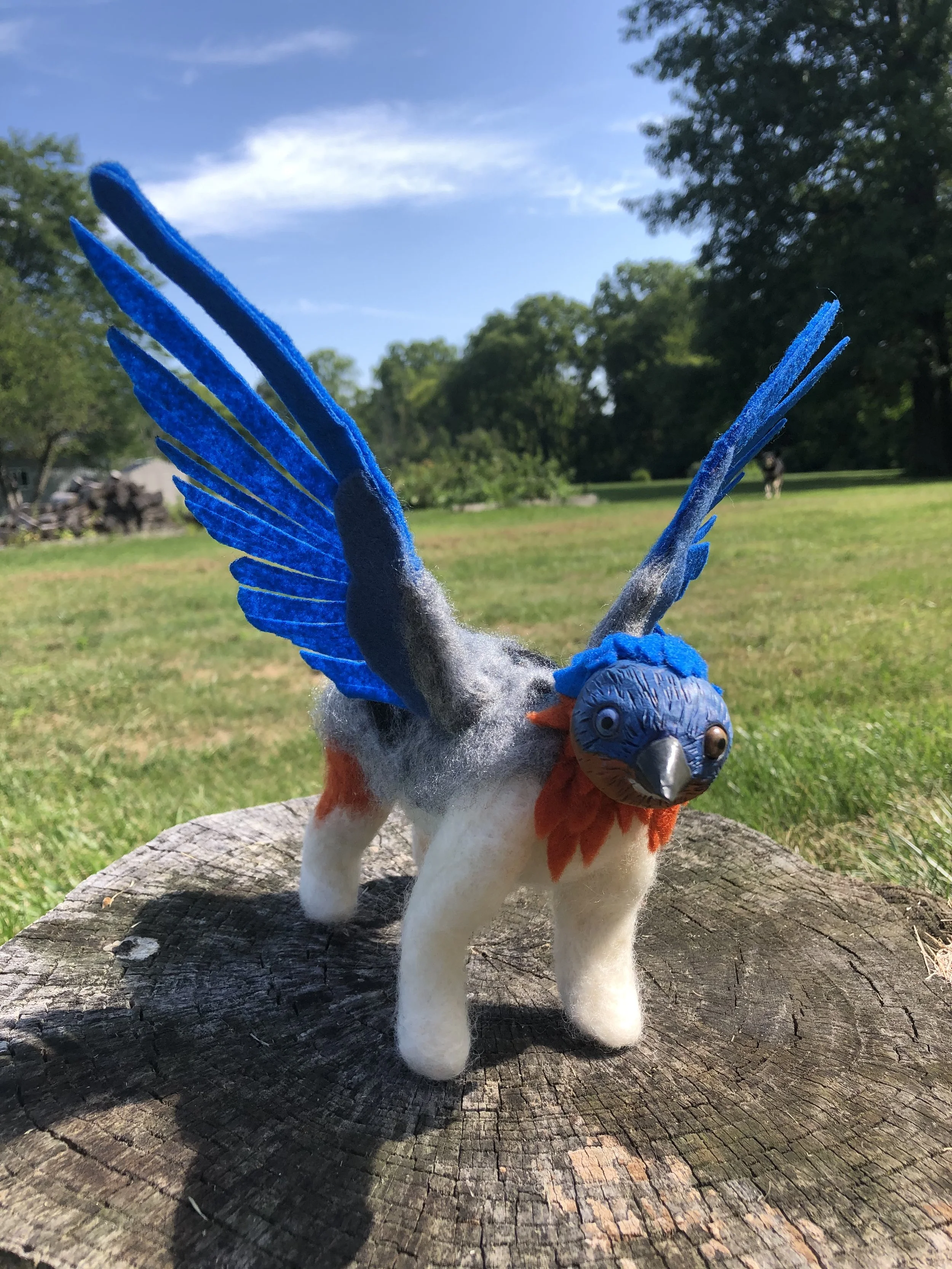
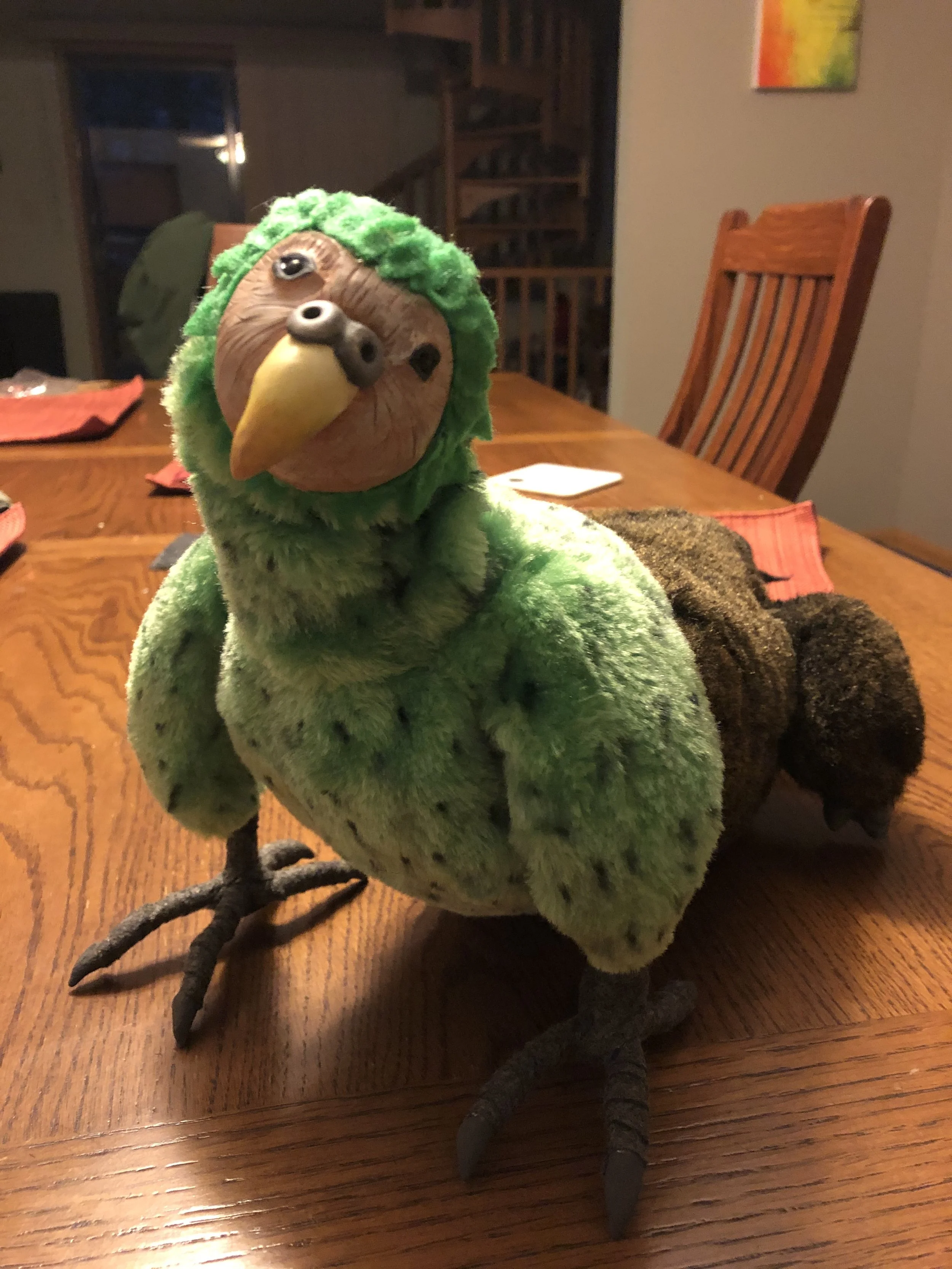
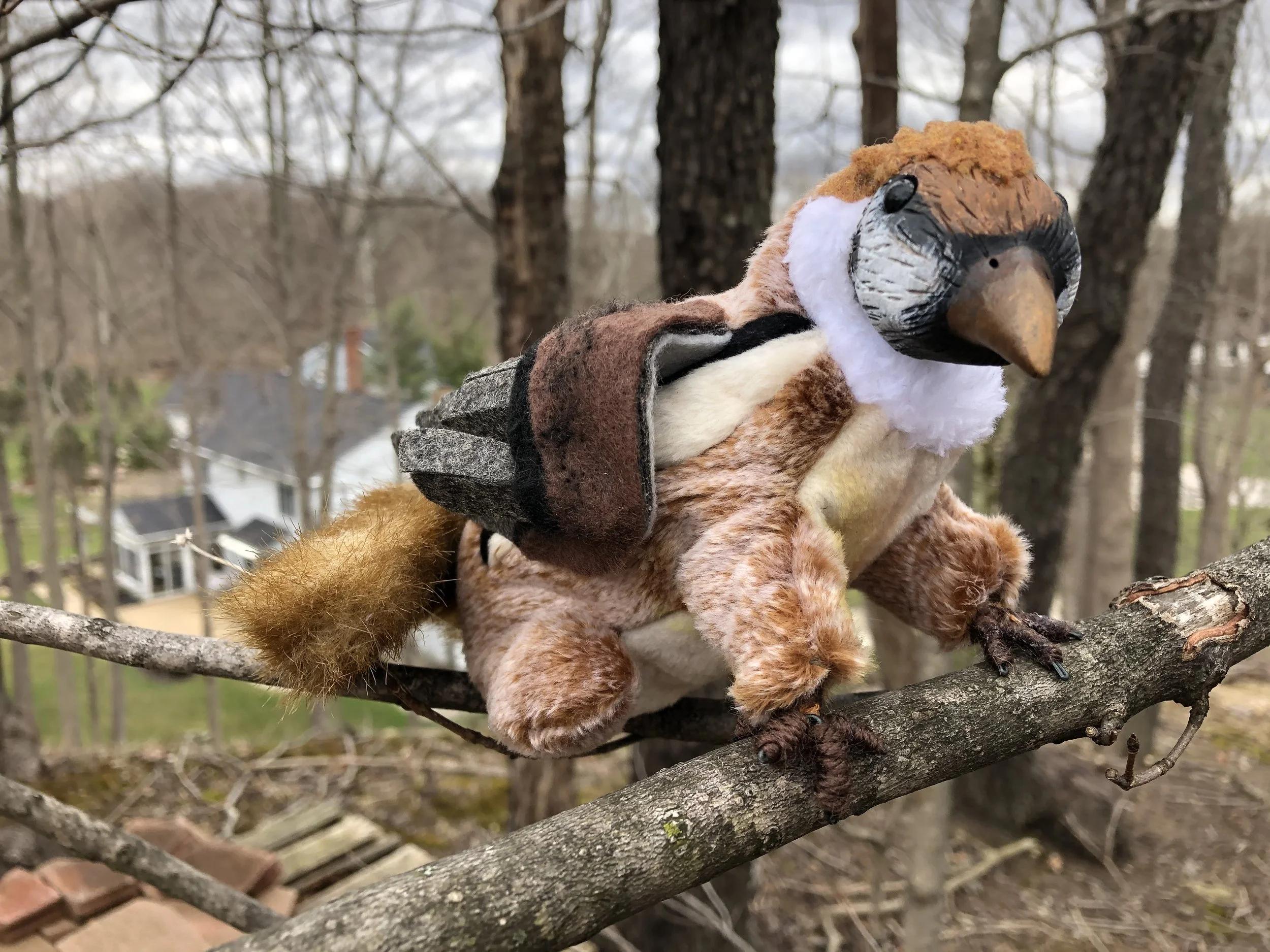
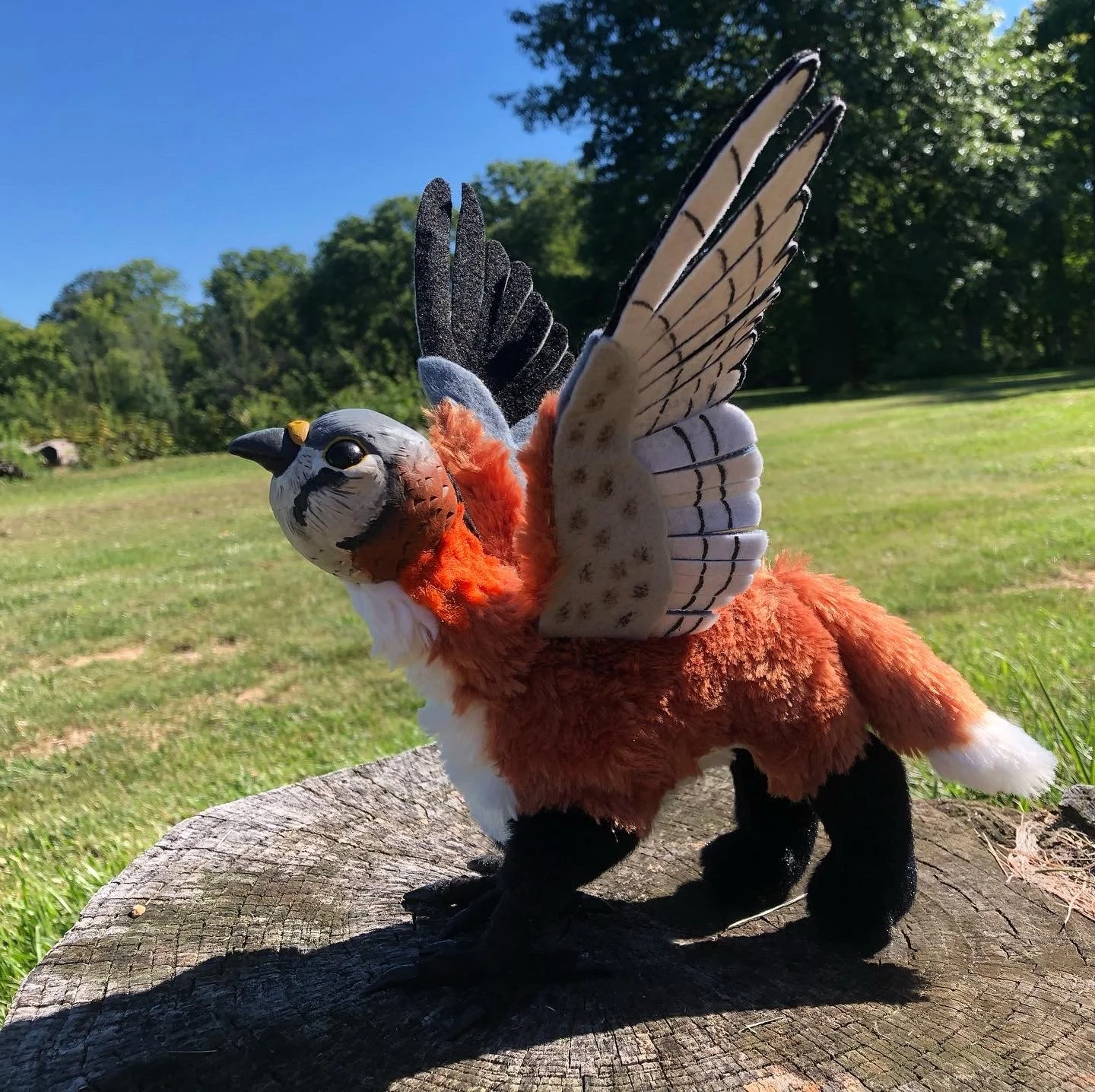
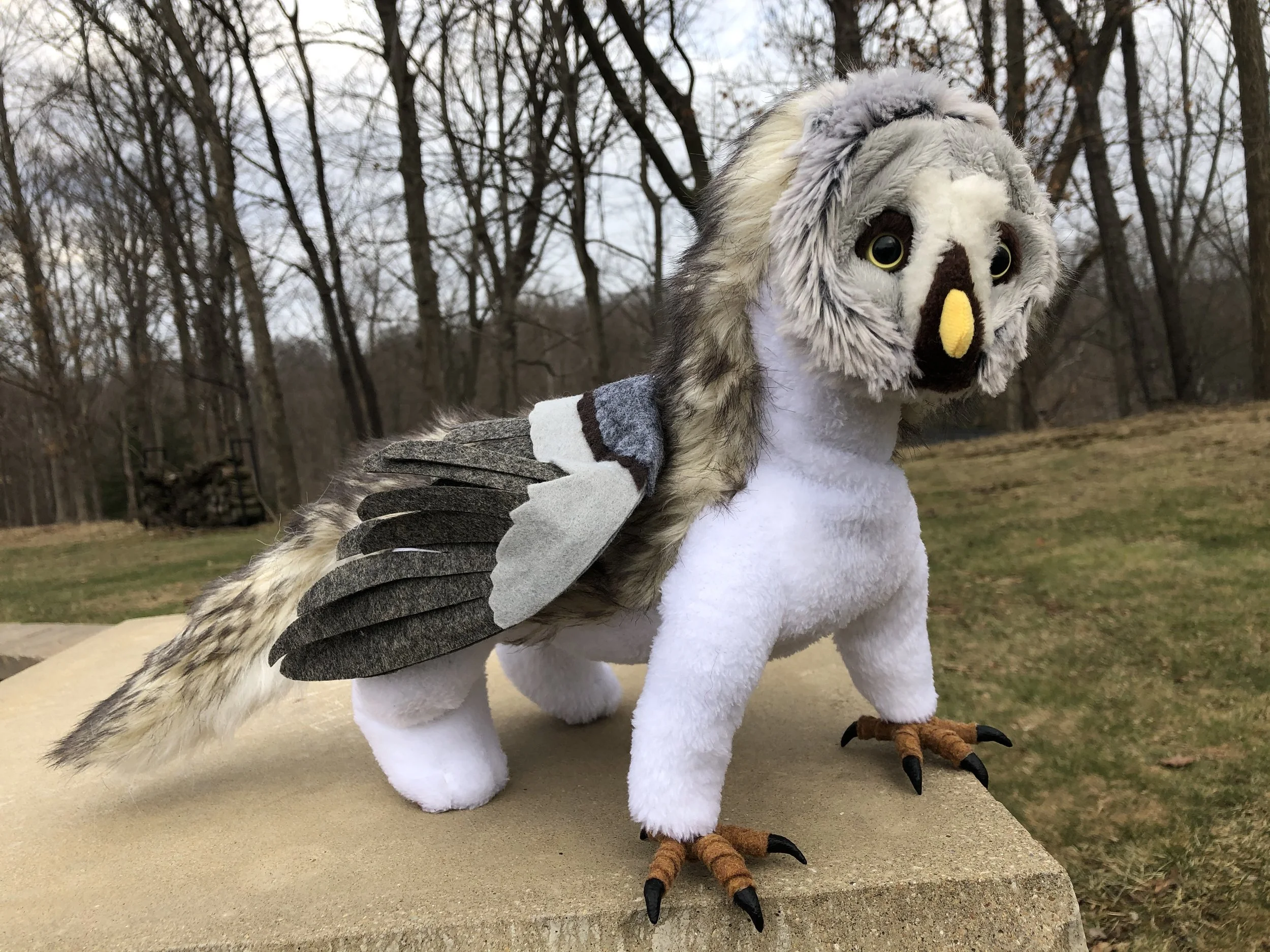
Griffkin (alt. gryphkin) is a term used for a family of chimeric creatures which are half bird and half mammal. There are three subfamilies within this group: pteragriffs, which consist of winged avian/mammalian hybrids; demigriffs, which consist of wingless hybrids; and pseudogriffs, which consist of winged hybrids whose bodies are entirely mammalian, with the exception of the added wings.

Within these subfamilies there is a great deal of variation, as chimeric creatures can generally be crafted based on the will and design of the alchemist who creates them. There are a few “breed standards” if you will, that exist in the alchemical community. Most well known are those in the pteragriff subfamily, as these include griffins (avian/feline) and hippogriffs (avian/equine). There is an unusual species in the hippogriff line called a hippalectryon, which is half horse-half rooster, however the halves are reversed from most other griffs (i.e. the rear legs and tail are that of the rooster and the head and front legs are equine).

This diverse group of creatures is unique in the chimeric order for one very specific reason: they are all capable of producing viable offspring when bred with others of the same make (as stated in my earlier entry on griffins). This is unusual among both magical and nonmagical hybrid animals because, according to our current understanding, they usually cannot produce viable gametes (sex cells). We still have no clear understanding of why avian/mammalian chimeras are different in this way, but it does make them a quite fascinating subject for cryptozoological study as we can observe populations in the wild, assuming such populations exist.

Capriccio

Michael MacWolff

image0.jpeg

Cryptologic Name: Minmalum capricus
Planar Origin
: Baator
Habitat: Varied
Diet:: Hemovore

Appearance/Morphology
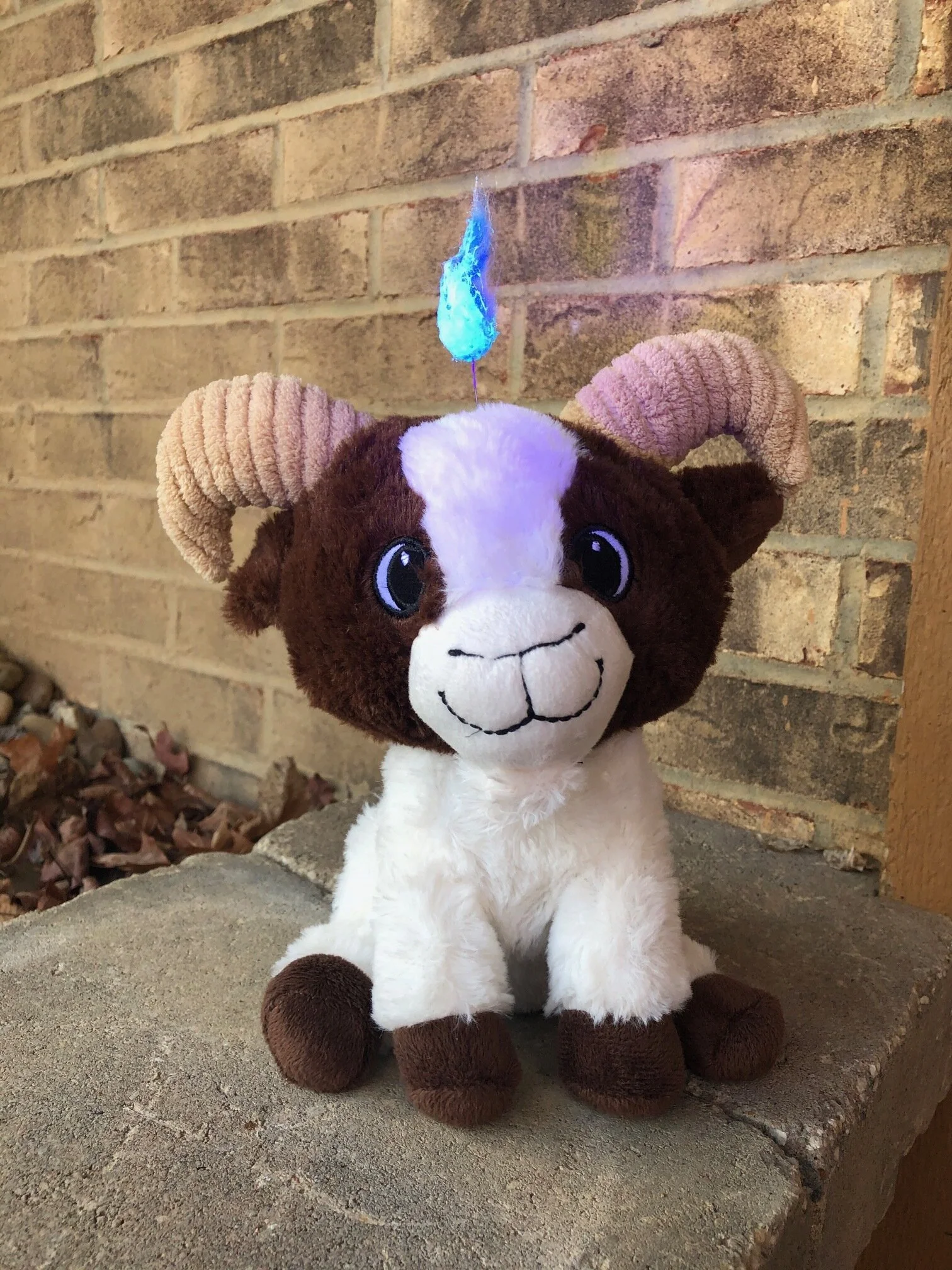
Capriccios are small goats-like creatures, only standing about 8-12” tall at the shoulder, with curved horns, sharp canines, and a small flame that floats above their heads, centered between the horns.They are a member of the Daemonia family, which includes all species of demon.

Magical Abilities
These small demons are known to be able to temporarily hypnotize people by making eye contact with them. This hypnosis lulls them into somewhat of a trance, but does not give any sort of controlling abilities over them, likely because they cannot use language to direct their victims.

Their only other magical aspect is the ever-burning flame that floats above their heads. The flame itself has the qualities of hellfire, meaning that it cannot be extinguished through nonmagical means (such as dumping water on them), and in the case of these creatures, if their flame is extinguished it results in their death.

Behavior
Despite being a member of the demon family, the capriccio is fairly harmless. They tend toward playfulness and mischief and they are not overly aggressive. The capriccio most often uses its hypnotic gaze to pacify people and other animals when it’s hungry. Given its small size and minimal strength, it cannot physically overpower its prey, so instead it lulls them into passiveness and drinks at its leisure. Capriccios generally only drink about 300-400mL of blood at a time, which not enough to put the average adult at risk (this is around what they would take if you were donating blood), however young children and smaller animals could come to serious harm if drained to that extent. They lack the frenzy and literal bloodlust that most other hemovores, such as vampires and chupacabras have, and as such, they can fairly safely be kept as pets if properly trained and fed.

Field Notes

  • The capriccio has a variety of nicknames, such as “infenral goat,” “demon goat,” and “Baphito.” The last name, often used in Latin American countries, means “little Baphomet,” referring to the demonic lord Baphomet, who is known to have the head of a goat and a crown of flames.

  • In keeping my own capriccio, I’ve discovered that while they don’t have conscious control over the their flames, the fire is directly connected to the creature’s psyche. While the flame usually glows blue (an indication that it is quite hot), the flame flickers to yellow-orange when he is hungry or tired, and will often diminish to something akin to a flickering candle when he is asleep. Alternatively, the firelight flares when he is agitated or excited.


OOC Corner
The capriccio is another personal creation, once again born from finding a cute stuffed animal at the thrift store XD
While this is my own concoction, it is heavily influenced by demonic mythology from across the spectrum of Judeo-Christian mythology and occult traditions.